Effective State-Wide Collaboration for Dam Removal in Vermont (Nine Removals in 2025!)
Davidson 3
Karina Dailey, Chair, VT Dam Task Force
Vermont Natural Resources Council
Montpelier, VT
Julie Butler, USFWS
Essex Junction, VT
Erin Rodgers
Trout Unlimited, Brattleboro, VT
Michele Braun
Friends of the Winooski River
Montpelier, VT
Emily Finnegan
Caledonia County Natural Resources Conservation District
Saint Johnsbury, VT
Corrie Miller
Lake Champlain Basin Program
Burlington, VT
* All presenters are members of the Vermont Dam Task Force.
Target audience: Project managers, water resource engineers, river scientists, nonprofit staff, watershed groups, state and federal agency staff, conservation districts
The Vermont Dam Task Force (VDTF) was formed in 2000 in response to a growing interest in dam removals nationally, the formation of similar groups elsewhere in New England, and an interest by State of Vermont agencies to identify important historic dam sites within Vermont. The Task Force is staffed by the Vermont Natural Resources Council, a statewide nonprofit, and meets bimonthly. It serves as a collaborative forum for local, state, and federal entities to share project progress and challenges, lessons learned, funding opportunities, regulatory hurdles and opportunities, expert presentations, and field visits.
Members of the VDTF representing local, state, and federal entities will share their roles on the Task Force, and the role the Task Force has played in achieving a high rate of successful dam removal projects in Vermont. They will present case studies to highlight how the collaborative approach has been invaluable to moving the needle on stream restoration and connectivity, integrating new in-stream habitat approaches, and implementing a richer suite of practices at any given dam removal site. Collectively, organizations within the VDTF removed 9 dams in 2025.
Learning objectives
Dam removal: building community of practice and benefits, different roles and perspectives, when to engage regulators, river restoration and dam removal process, highlights of recent collaborative dam removals, funding opportunities, project management and how shared experience helps to advance and enhance these important river reconnection projects.
Participant engagement
Make it clear at the start that audience participation is welcome. Ask questions about other models for collaboration in other regions as we move through material. Develop a set of questions to ask the audience to spark conversation.
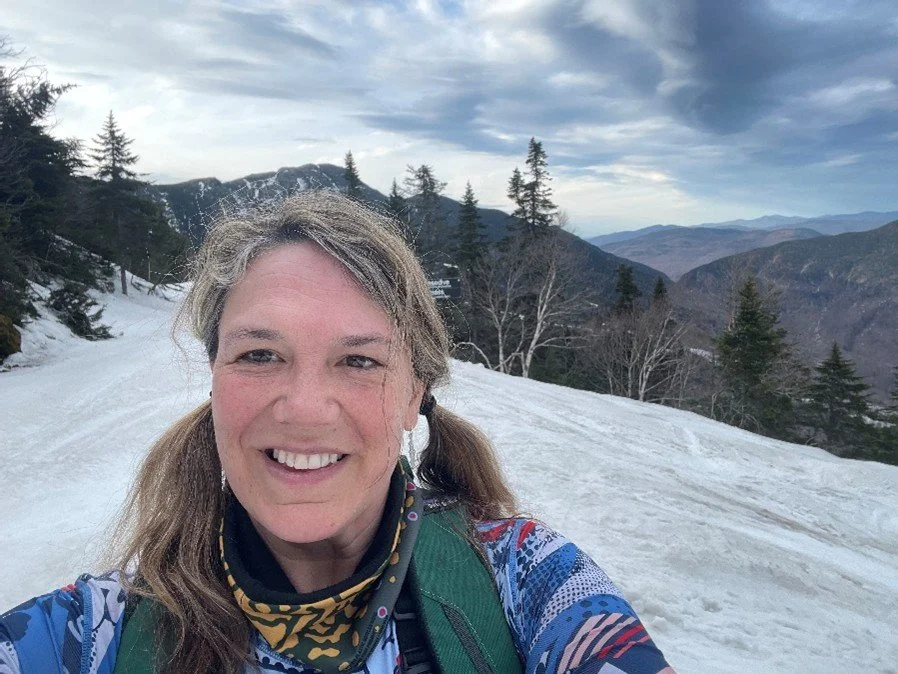
About Karina Dailey
Karina Dailey is the Science and Restoration Director for Vermont Natural Resources Council (VNRC). In this position, she is responsible for running VNRC’s dam removal program and contributing her scientific knowledge and expertise to policy issues around the conservation and restoration of Vermont’s waters. In this capacity, Karina chair’s the Vermont Dam Task Force and Free Vermont Rivers. Prior to joining VNRC, Karina worked as a Senior Ecologist at Trudell Consulting Engineers (TCE), overseeing the ecology department and managing all-natural resource-related projects. Formerly, Dailey was a Project Manager for the Winooski Natural Resources Conservation District and a Restoration Ecologist for the US Fish and Wildlife Service and Intervale Nursery. Before moving to Vermont, she taught environmental science and worked in conservation science in the Greater Yellowstone area in Wyoming.
Karina holds a Masters in Environmental Science with a focus on Conservation Biology from Antioch University New England, and a B.A. in Environmental Studies and Sociology from St. Lawrence University. She is a Certified Wetland Scientist and Wildlife Biologist. Karina lives with her family in Jericho and enjoys every opportunity for outdoor exploration.
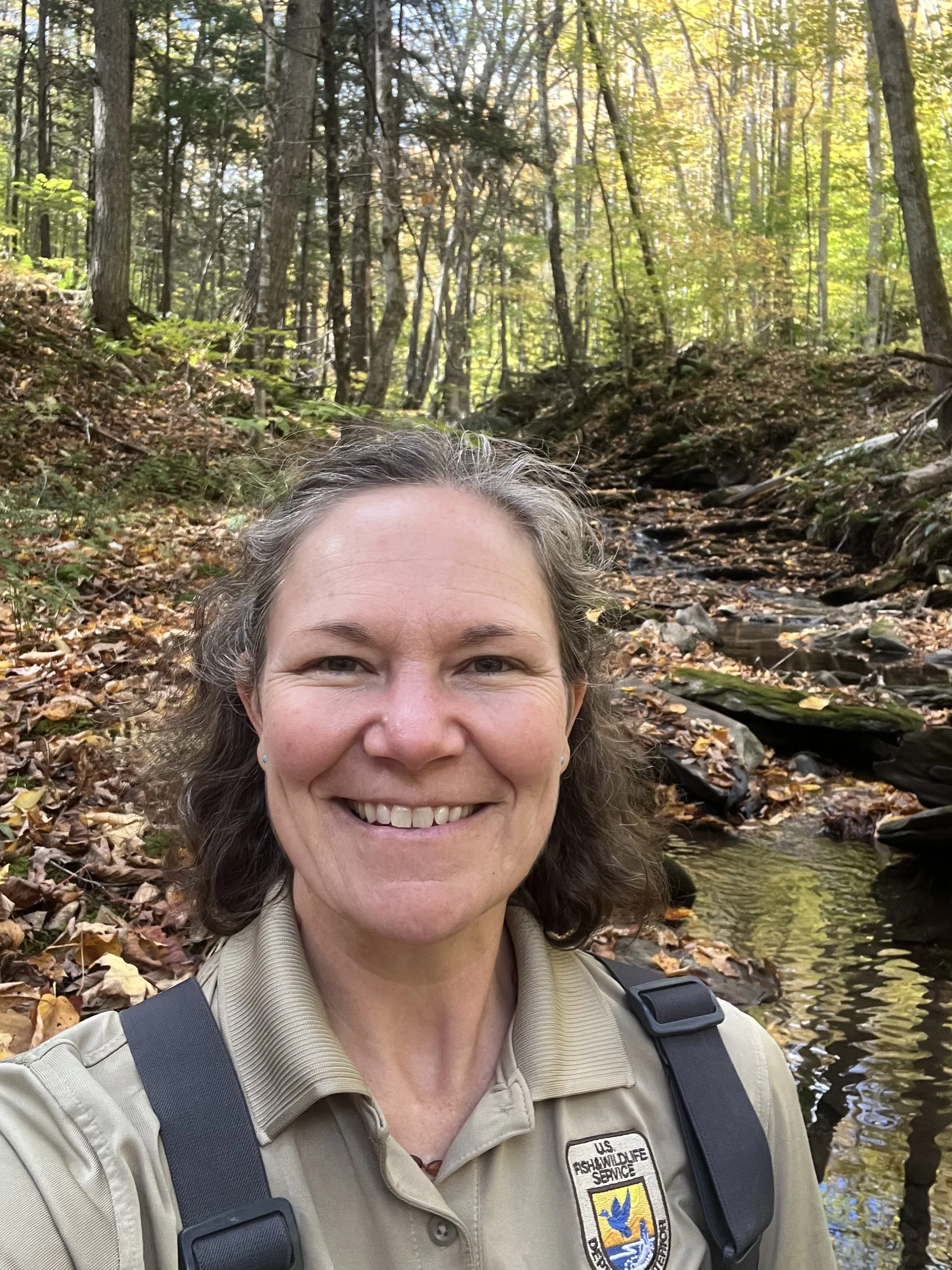
About Julie Butler
Julie Butler has worked to support conservation and restoration of fisheries and habitat for over 22 years and has had the pleasure of working with partners on a multitude of species in many fantastic locations including the Pictured Rocks National Lakeshore in the Upper Peninsula of Michigan, the Green Mountains of Vermont and on the Green and Colorado Rivers in Utah. Julie currently is work as a Fish Biologist focused on aquatic organism passage and habitat restoration with the U.S. Fish & Wildlife Service in Vermont. Her position focuses on building partnerships with state, federal and local partners with the shared goal of improving habitat connectivity, water quality and flood resiliency by removing dams and replacing undersized culverts. Julie lives in Underhill, Vermont with her husband, their son, one dog, two cats, and a ton of outdoor recreation gear that is taking up way too much room! She loves to be outside gardening, hiking, boating, swimming and adventuring with family and friends.
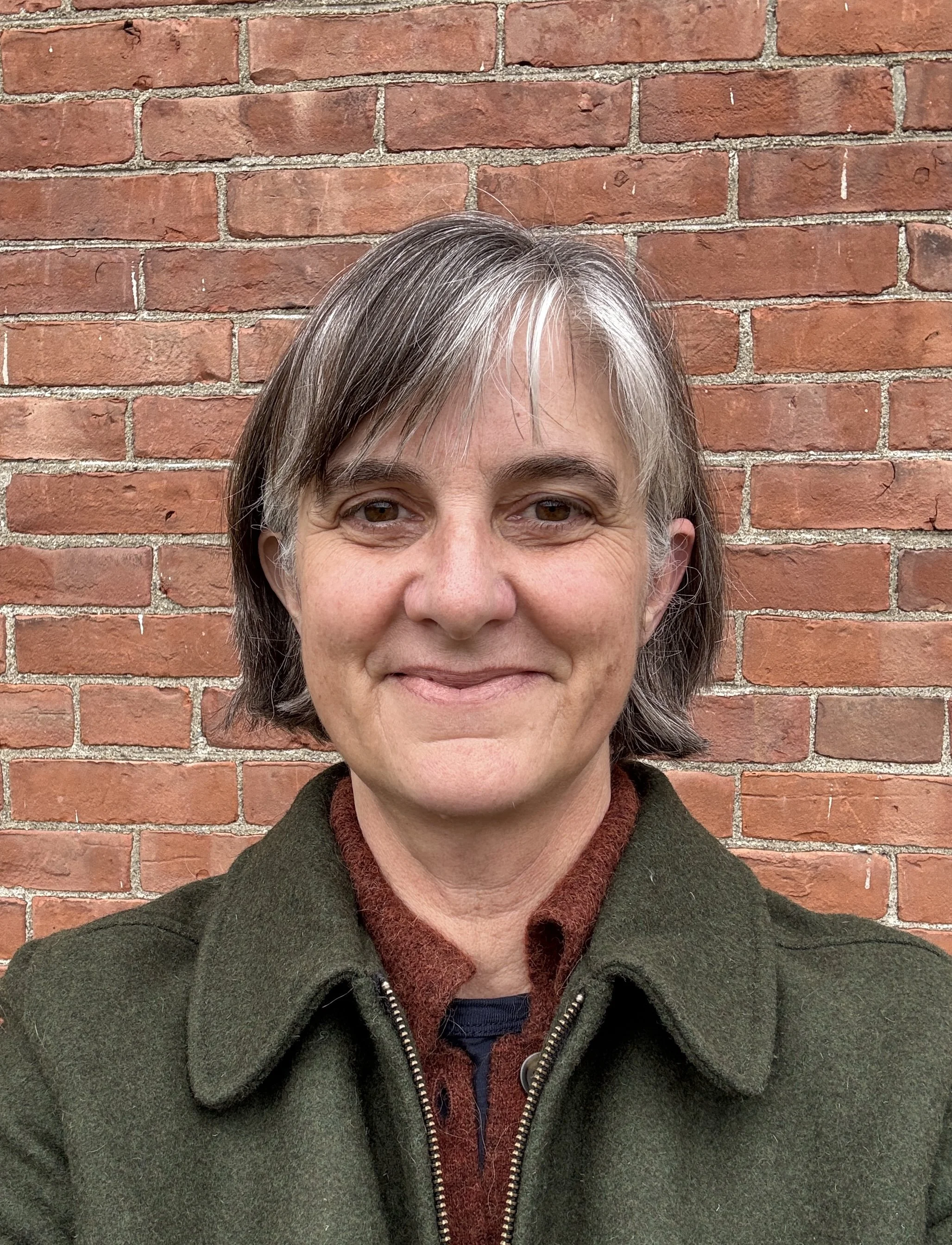
About Michele Braun
Michele Braun has served as Executive Director of Friends of the Winooski River since 2018. She leads the organization's dam removal program, which completed its first project in 2020 and has since taken out two of three dams on one river — with the third slated for removal this year — and has three more projects in design.
Michele brings a community planning perspective to river restoration. Working for the Town of Northfield following Tropical Storm Irene, she coordinated the buyout of 18 homes and restoration of the floodplain to reduce flood risk and enhance downtown recreation. Earlier in her career, she managed collaborative environmental planning projects focused on sustainable communities at a national scale. She earned a Master of Science degree in Natural Resources Planning from the University of Vermont and a BA from Bowdoin College. She has lived in Montpelier for thirty years, where she has raised her children, served on the school board, and can be found gardening with her husband, walking the dogs, and hoping the Winooski doesn’t flood this year.
LinkedIn Profile
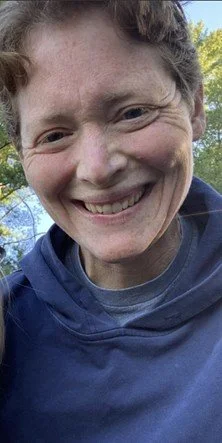
About Emily Finnegan
Emily has been the District Manager at the Caledonia County Natural Resources Conservation District in St. Johnsbury since September 2021. Emily’s work at Caledonia County NRCD includes: coordinating green stormwater infrastructure projects; facilitating culvert replacement projects related to restoring aquatic organism passage; facilitating dam removals; working with lake communities on protecting water quality and facilitating shoreland restoration projects; assisting agricultural producers with nutrient management planning and the installation of best management practices; and overall program administration, including grant invoicing, tracking, and reporting. Emily also spent three years as an Agriculture Specialist at the Orleans County NRCD from 2018 to 2021, working with agricultural producers on writing and updating their nutrient management plans and helping with organizing agriculture-focused workshops and events. Emily earned a BA in Religion from Middlebury College, and an MS in Community Development and Applied Economics from the University of Vermont. She lives in Sutton, Vermont with her family and young children and loves biking and skiing of all varieties.

About Erin Rodgers
Having joined Trout Unlimited's New England Culvert Project as an intern in 2011, Erin now leads habitat restoration and connectivity work in Vermont and Massachusetts. She focuses on the links between functioning, healthy coldwater stream ecology and reducing the impacts of flooding – both by increasing connectivity, reconnecting floodplains, and increasing large woody habitat. She works with private landowners, towns, and state and federal agencies to improve coldwater fisheries using nature-based solutions, piloting new restoration methods, and extensively monitoring project sites. Erin and her team average three to five construction projects and over 10 miles of in-stream woody habitat across New England every year.
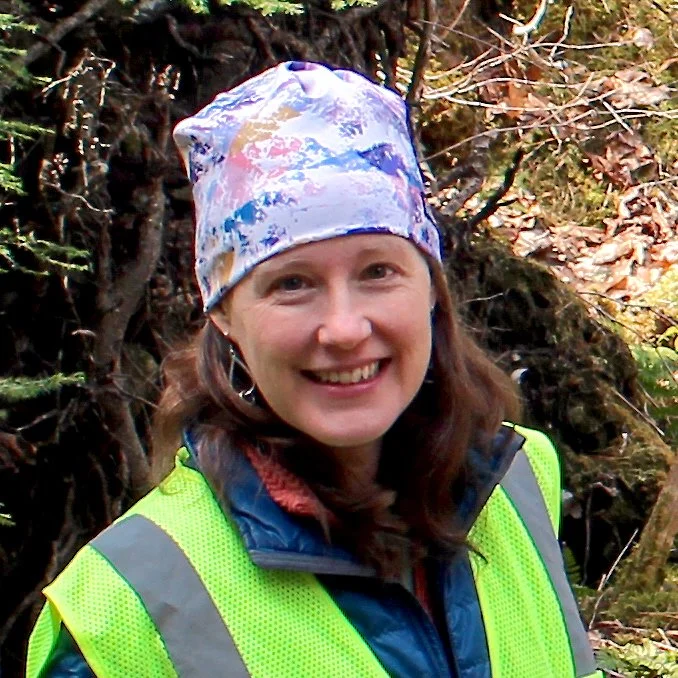
About Corrie Miller
Corrie Miller is an Aquatic Organism Passage (AOP) Restoration Specialist with the Lake Champlain Basin Program based in Grand Isle, Vermont. In this role she works closely with partners across the Lake Champlain watershed to restore connectivity in aquatic systems and strengthen collaborations and capacity to advance AOP restoration work. For nearly twenty years, Corrie has worked to bring people together to strategically plan, adaptively manage, and achieve meaningful conservation outcomes. She has led watershed planning and restoration projects, including AOP, stormwater mitigation, and riparian and stream restoration. Corrie holds an undergraduate biology degree from Vanderbilt University and a Master of Science degree from the University of Vermont Field Naturalist Program. Hailing from Virginia’s Shenandoah Valley but now residing in Vermont’s Green Mountains, Corrie spends her free time in the kitchen baking, at a live concert, rambling in the woods – sometimes on skis, or paddling a lake.