Advancing Natural Channel Design: Current Practice, Tools & Applications
Moderator: Greg Taillacq, Tailwater Limited
Davidson Ballroom
Dave Rosgen, PhD, PH
Wildland Hydrology
Fort Collins, CO
Brandon Rosgen
Wildland Hydrology
Fort Collins, CO
Matt C. Kondratieff
Colorado Parks & Wildlife
Fort Collins, CO
Andrea Taillacq, PE
Tailwater Limited
Wellington, CO
David Skuodas, PE, CFM, LEED AP
Mile High Flood District
Denver, CO
Scott Britton
CS Britton
Carrollton, GA
Session Overview
Natural Channel Design (NCD) continues to evolve as new tools, field observations, and project applications refine how practitioners assess and implement restoration projects. This session, led by Dave Rosgen, highlights updates to current practice and recent refinements in the NCD approach. The recent publication River Restoration & Natural Channel Design: An Integration of Fluvial Geomorphic & Ecological Principles will also be highlighted.
Topics presented by hands-on practitioners will include advances in assessment methods, design approaches, and applied techniques, with an emphasis on how these updates inform real-world project decisions. Designed for practitioners familiar with NCD, this session provides a focused opportunity to engage with current thinking and applications.
Session Agenda
8:30 – 10:00 AM | Foundations & Recent Advances
Presenters: Dave Rosgen & Brandon Rosgen
Overview of recent developments in Natural Channel Design
Updates to assessment methods, design approaches, and tools
Key concepts informing current practice
10:00 – 10:15 AM | Break
10:15 – 11:45 AM | Applied Restoration Case Studies
Presenters: David Skuodas, Andrea Taillacq, Scott Britton, Matt Kondratieff
Each presenter will deliver a focused presentation highlighting applied work and project experience, followed by discussion.
11:45 AM – 12:00 PM | Panel Discussion & Audience Q&A

About Dave Rosgen, PhD, PH
Dave is a Professional Hydrologist and Geomorphologist with field experience in river work spanning 49 years, 20 of which were with the U.S. Forest Service. Dave has designed and implemented over 70 large-scale river restoration projects. Dave developed a stream classification system, the BANCS streambank erosion model, the FLOWSED/POWERSED sediment transport models, the WARSSS methodology for cumulative watershed assessment, and a geomorphologic approach to Natural Channel Design restoration methodology. Dave utilizes his extensive experience to conduct short courses in watershed management, river morphology, restoration, and wildland hydrology applications. Dave is also the author of Applied River Morphology and Watershed Assessment of River Stability and Sediment Supply (WARSSS) and over 70 reports and articles in research journals, symposia, and federal agency manuals. Dave and his projects have been featured in Time, Science, 5280, National Geographic, The Denver Post, and The New York Times.
About Brandon Rosgen
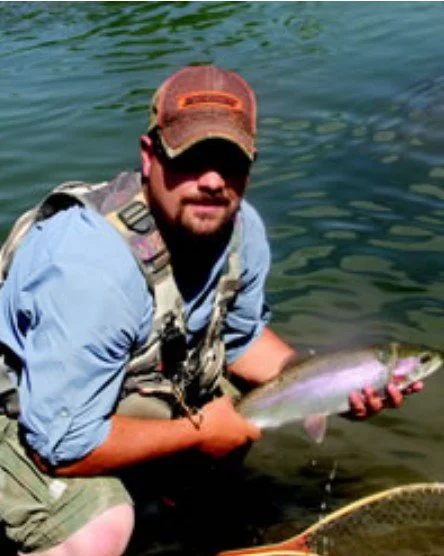
Brandon graduated from Colorado State University in Watershed Science and has extensive experience in measuring and analyzing streambank erosion, channel stability, and sediment transport in addition to operating construction equipment for river restoration. Brandon has participated in the watershed assessment, design, implementation, and field supervision of numerous large-scale restoration projects, including the Upper Laramie River, Nunn Creek, Ohio Creek, Blue River near Kremmling, Three Forks Ranch, Trail Creek (Hayman Fire), and Waldo Canyon Fire restorations in Colorado and the Heart Rock Ranch restoration in Idaho. Brandon is the instructor for the Basic Survey Skills course and is an assistant for many of the short courses (Levels I-4).
About Matt C. Kondratieff
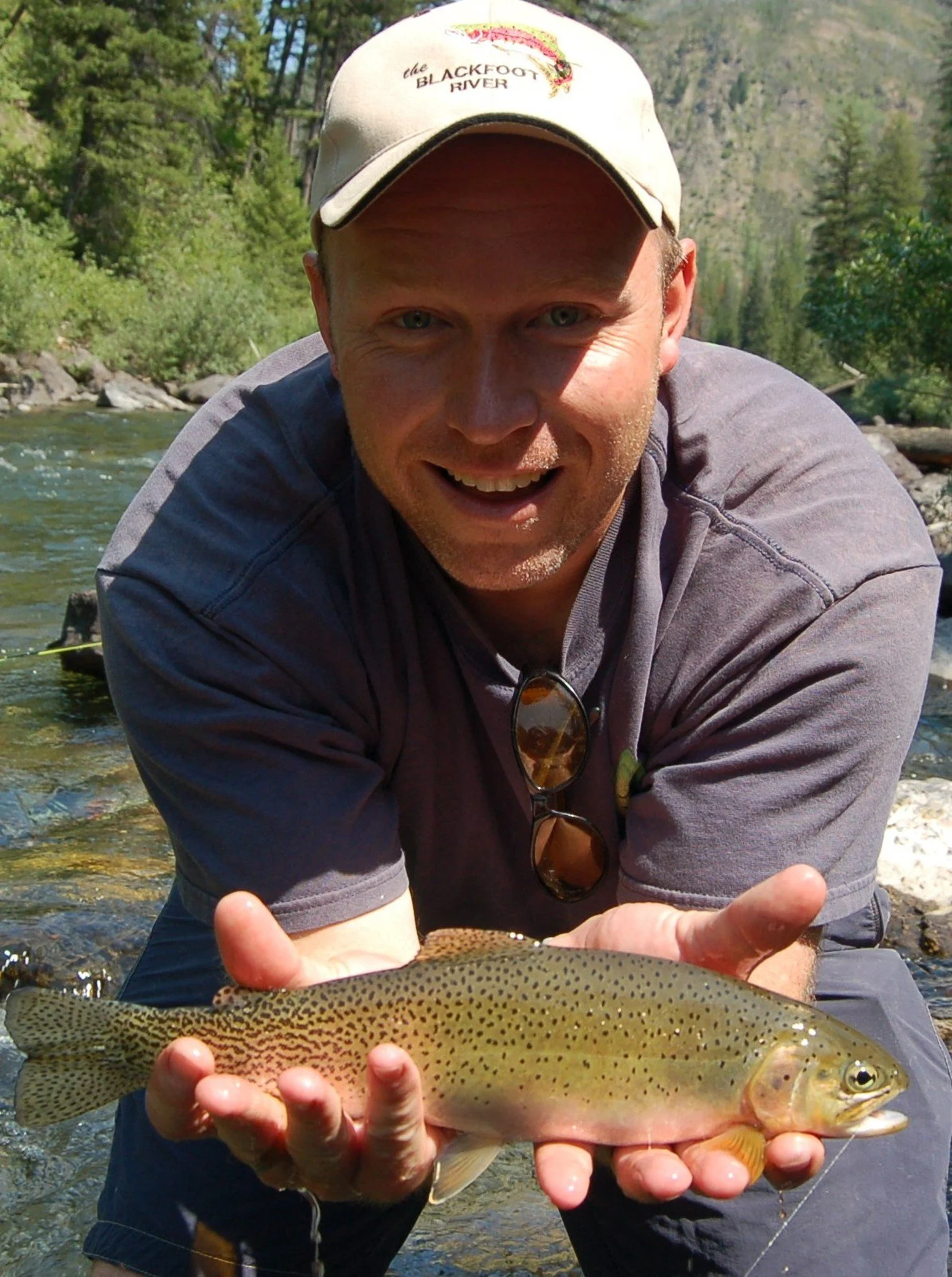
Matt Kondratieff is an Aquatic Research Scientist for Colorado Parks and Wildlife in Fort Collins, CO U.S.A. He completed his undergraduate work in California at U.C. Davis, received his Master’s degree from Colorado State University and he worked for three years as a fisheries biologist for Wyoming Game and Fish in Pinedale, WY before moving back to Colorado. Matt has 19 years of experience conducting the assessment and monitoring of fish populations and habitat in rivers across Colorado. He also studies the barrier potential of river structures to fish including everything from whitewater parks to conservation barriers designed to protect native fish to technical fishways to water diversions and dams.
LinkedIn profile: https://www.linkedin.com/in/kondratieff-matt-00a5a578/
About Andrea Taillacq, PE
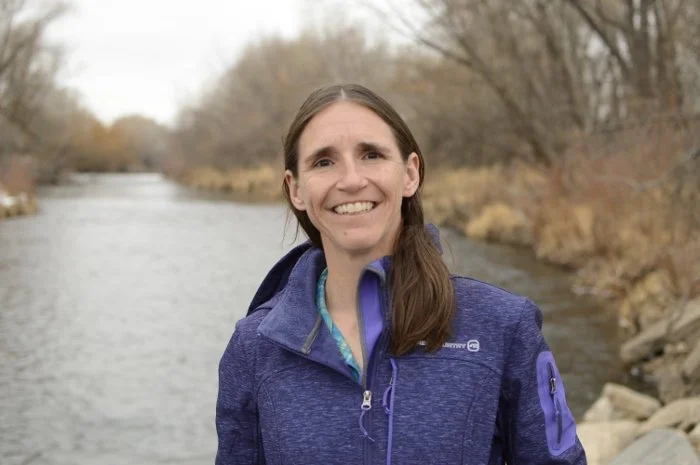
Andrea Taillacq is an engineer, hydrologist, and programmer who has worked for the past 20 years to understand and restore river systems in the Rocky Mountain Region and across the US. Andrea is co-owner of Tailwater Limited and is the lead developer for the Stream Tools Application. Andrea's experience extends across water resources disciplines including hydraulic modeling, GIS, and large data analysis, water rights, and hydrography.
The Stream Tools Application development has opened doors to understand how individuals across the industry approach stream restoration design and sometimes the misunderstandings that can have unexpected consequences. When Andrea is not programming, designing, or running a small business, she enjoys getting outside to hike, run, or garden.
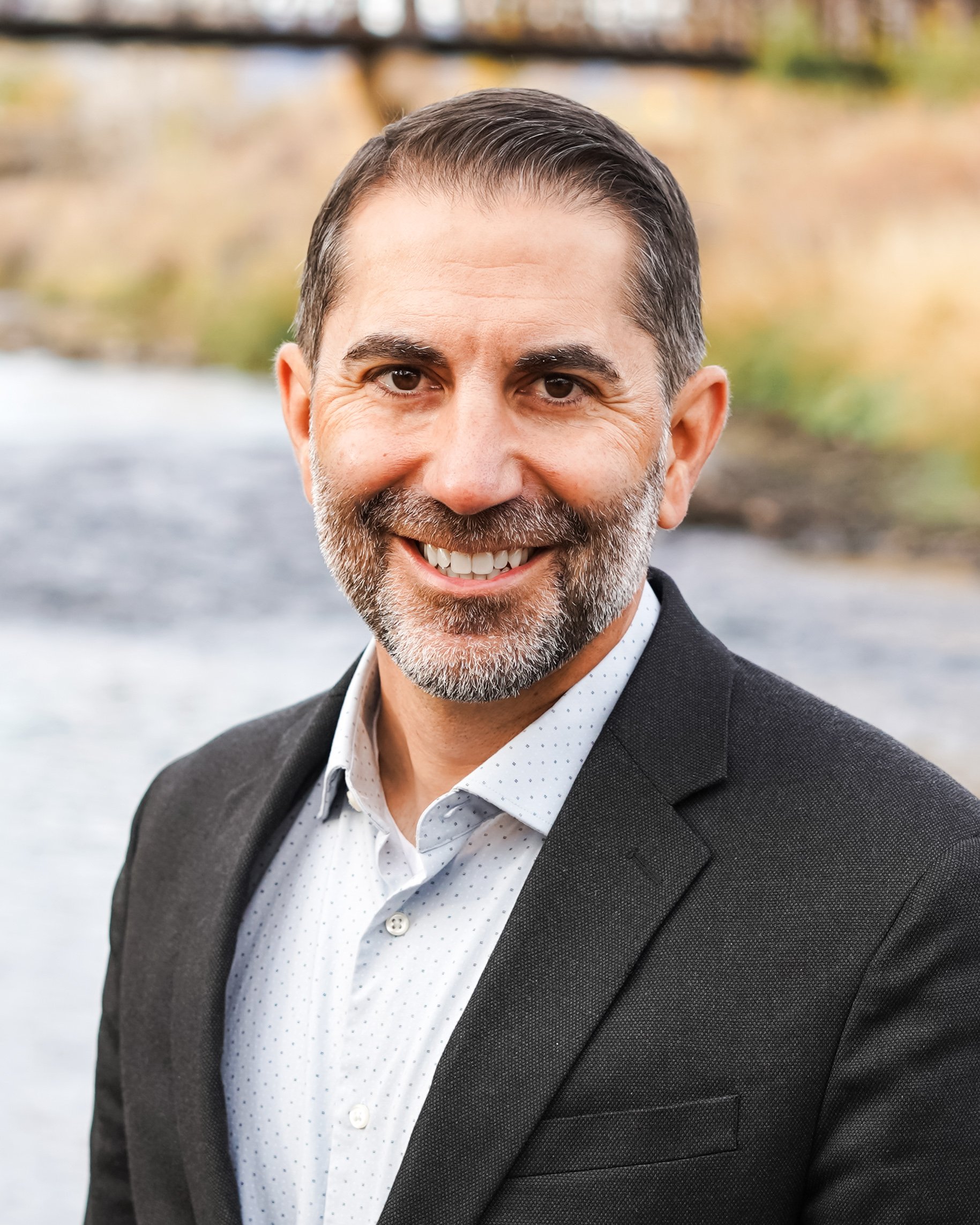
About David Skuodas
David Skuodas is an engineer, educator, and storyteller who has worked for the past 25 years to improve the way we design, construct, and manage urban waterways. His career began in the engineering and design trenches – most recently as Director of Design, Construction, and Maintenance at the Mile High Flood District in Denver, where he oversaw more than $100M in yearly infrastructure investments.
In his current role as Director of Education and Outreach, he leads the District’s efforts to inform and educate the public, policymakers, and practitioners on smarter waterway design, effective project delivery, and sound floodplain management. Prior to working at the District, Dave was an engineering consultant for nine years in Kansas, Nebraska, and Colorado. He has a civil engineering degree from the University of Florida and is the author of the book The Effective Client: Why Being a Good Client is Smart Business in the AEC Industry.
About Scott Britton
Scott Britton is the President and Co-Owner of CS Britton, Inc. He and his wife, Jane, founded CS Britton in 1999, and Jane continues to serve as Vice President. Scott was introduced to stream construction in 1996 when he began work on his first stream restoration project. Fresh out of college and working for another company, Scott was so captivated and enthralled by the experience that he and Jane decided to leave the heavy civil construction industry and build a company dedicated to the construction and restoration of streams and wetlands. To date, Scott and CS Britton, Inc. have participated in the construction of more than 370,000 linear feet of streams and over 620 acres of wetlands across 16 states. Scott, Jane, and their four sons, Brock,
Cody, Levi, and Cole, all work at CS Britton, Inc., sharing a passion for building, restoring, and improving streams and wetlands.