Hickory Nut Gorge Post-Disaster Recovery Case Study - Lessons from the 2013 Colorado Floods: Planning for Long-Term Resilience in Western North Carolina
Christopher Engle, PE
Anchor QEA, Inc.
Asheville, NC
Extreme flood events increasingly challenge mountain and river-gorge communities, where steep topography, confined valleys, and infrastructure located within active floodplains amplify both damage and recovery complexity. This presentation draws from the Hickory Nut Gorge Post-Disaster Recovery Case Study, which examines long-term recovery following Colorado’s 2013 Front Range floods to inform post-disaster planning in western North Carolina after Hurricane Helene. Focusing on the towns of Lyons and Estes Park, the case study provides a decade-scale perspective on how stream restoration can be integrated with infrastructure reconstruction and community resilience.
In the immediate aftermath of the 2013 floods, recovery efforts prioritized debris removal, emergency channel stabilization, and restoration of access. However, both communities quickly recognized that long-term success required reframing river corridors as dynamic systems rather than static hazards. Over time, restoration strategies shifted toward watershed-scale planning and geomorphically informed design, incorporating bioengineered bank treatments, large wood placement, riparian revegetation, floodplain reconnection, and selective channel realignment. These interventions were frequently paired with transportation and utility projects, allowing rivers greater lateral mobility while reducing long-term risk to critical infrastructure.
Recreation and public access emerged as essential—not secondary—components of river corridor recovery. Parks, trails, and river access points were deliberately redesigned to function as flood conveyance zones, ecological buffers, and community amenities. Multibenefit projects, including riverwalks and resilient park systems, helped restore social connection to rivers while supporting habitat recovery and flood mitigation.
The presentation also highlights enabling conditions and persistent challenges that shaped restoration outcomes, including reimbursement-based funding structures, complex multi-agency permitting, workforce constraints, and community fatigue. Tools such as Unified Federal Review processes, programmatic permitting agreements, and citizen-led recovery planning proved critical in maintaining momentum and aligning ecological and infrastructure goals.
Overall, the case study demonstrates that post-disaster stream restoration is most effective when embedded within long-term recovery planning rather than treated as an isolated environmental task. The lessons presented offer transferable strategies for practitioners working in flood-impacted, constrained watersheds nationwide.
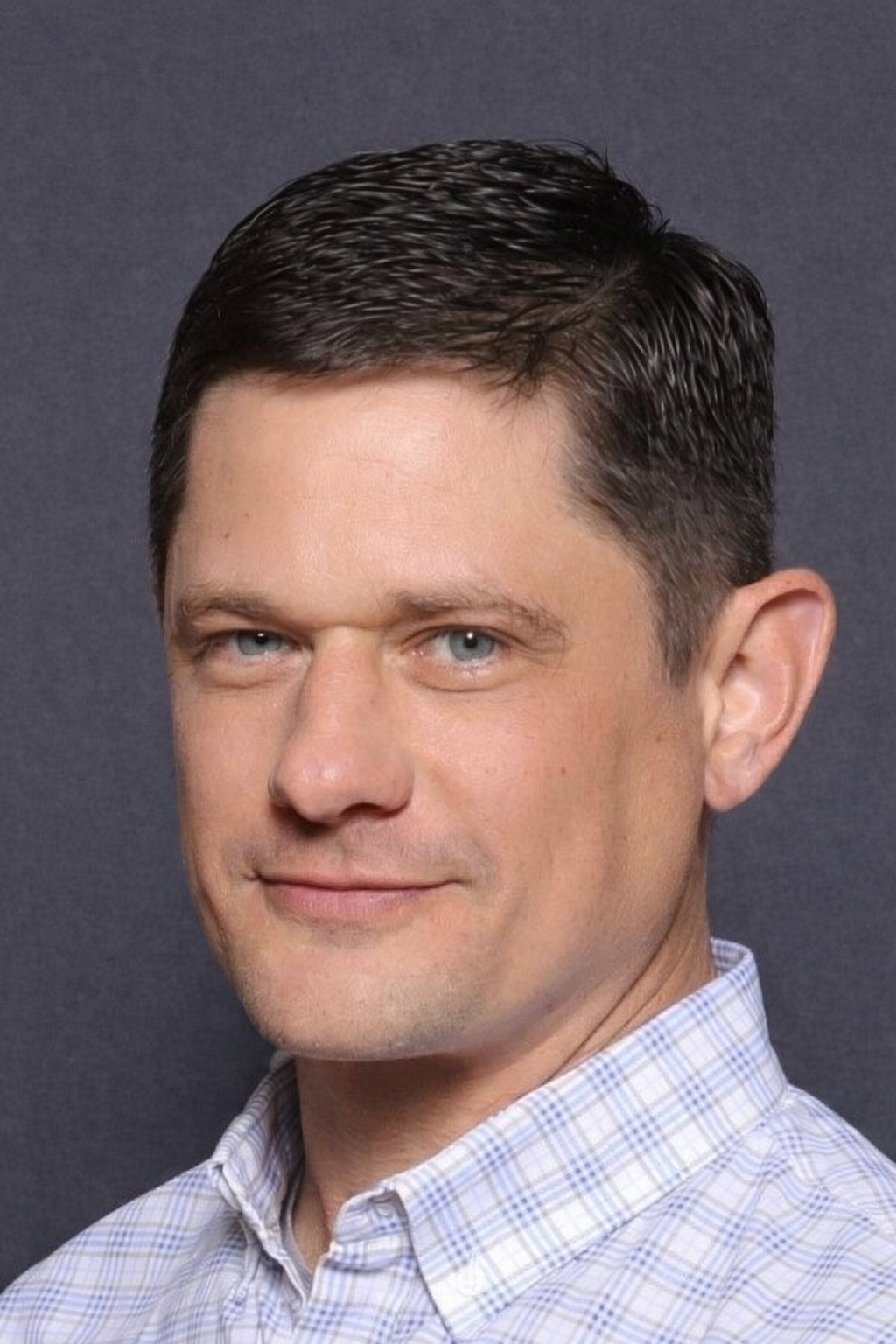
About Chris Engle, PE
Chris is a project manager and river restoration engineer with over 20 years of experience specializing in stream and river restoration, natural channel design (Rosgen Level IV trained), dam removal, and infrastructure-integrated stabilization projects. He has led multidisciplinary efforts involving site and geomorphic assessment, hydraulic and hydrologic modeling, design, permitting, and construction administration and observation across the Southeast and Midwest, including extensive work in North Carolina, Tennessee, Texas, Georgia, Florida, and Wisconsin. His work emphasizes FEMA compliance, adaptive management, and sustainable design in high-gradient and flood-prone systems. Chris excels in translating technical design into constructible, cost-effective solutions that meet regulatory requirements and community goals.