Stream Restoration Can Stabilize Or Reduce Water Temperature through Improved Floodplain Connection, Riparian Shading, And Pool Depths at a Segment-Scale
Matt C. Kondratieff
Colorado Parks & Wildlife
Fort Collins, CO
Authors: Kondratieff, M. C., Molter, M., Hiller, B., & Richer, E. E.
Results from a two-year temperature study conducted at a segment-scale support the potential for stabilizing or even reducing water temperatures through stream restoration activities that: 1) improve floodplain connection, 2) increase shading from riparian vegetation, and 3) enhance pool depths as a way to protect fish populations and improve river functions to help offset the effects of a warming climate. Low flow refugia and depth cover in the form of deep pools were identified as a limiting factor to adult Brown Trout Salmo trutta and Rainbow Trout Oncorhynchus mykiss populations in degraded portions of the Middle Fork South Platte River near Hartsel, Colorado. To address this, a 2.1-mile stream habitat restoration project was initiated within the Badger Basin State Wildlife Area from 2006-2011 with the purpose of converting shallow, over-wide pools into deeper, narrower pools to improve habitat. In addition, restoration actions included channel narrowing to improve floodplain connection and installation of native deep-rooted willows to improve shading, bank stability, and prey resources for trout. Although the primary motivation for these restoration activities was to improve trout habitat, we hypothesized that restoration actions would lower segment-wide stream temperatures relative to upstream control/impaired and reference segments on the same stream. Channel narrowing resulted in an average bankfull width within the restored segment of 40.8 feet compared to reference (47.2 ft) and control/impaired (50.6 ft) segments. Stream restoration activities resulted in deeper pools on average compared to reference (+1.1 ft) and control/impaired (+1.8 ft) pools. Thousands of willows planted in the restored segment improved streamside shading by reducing the effects of solar radiation. Results from two years of monitoring the change in water temperature showed a median temperature reduction of -0.03ºF/mile for the restored segment compared to an increase of +0.4ºF/mile for the control/impaired segment and +0.15ºF/mile for the reference segment.
About Matt C. Kondratieff
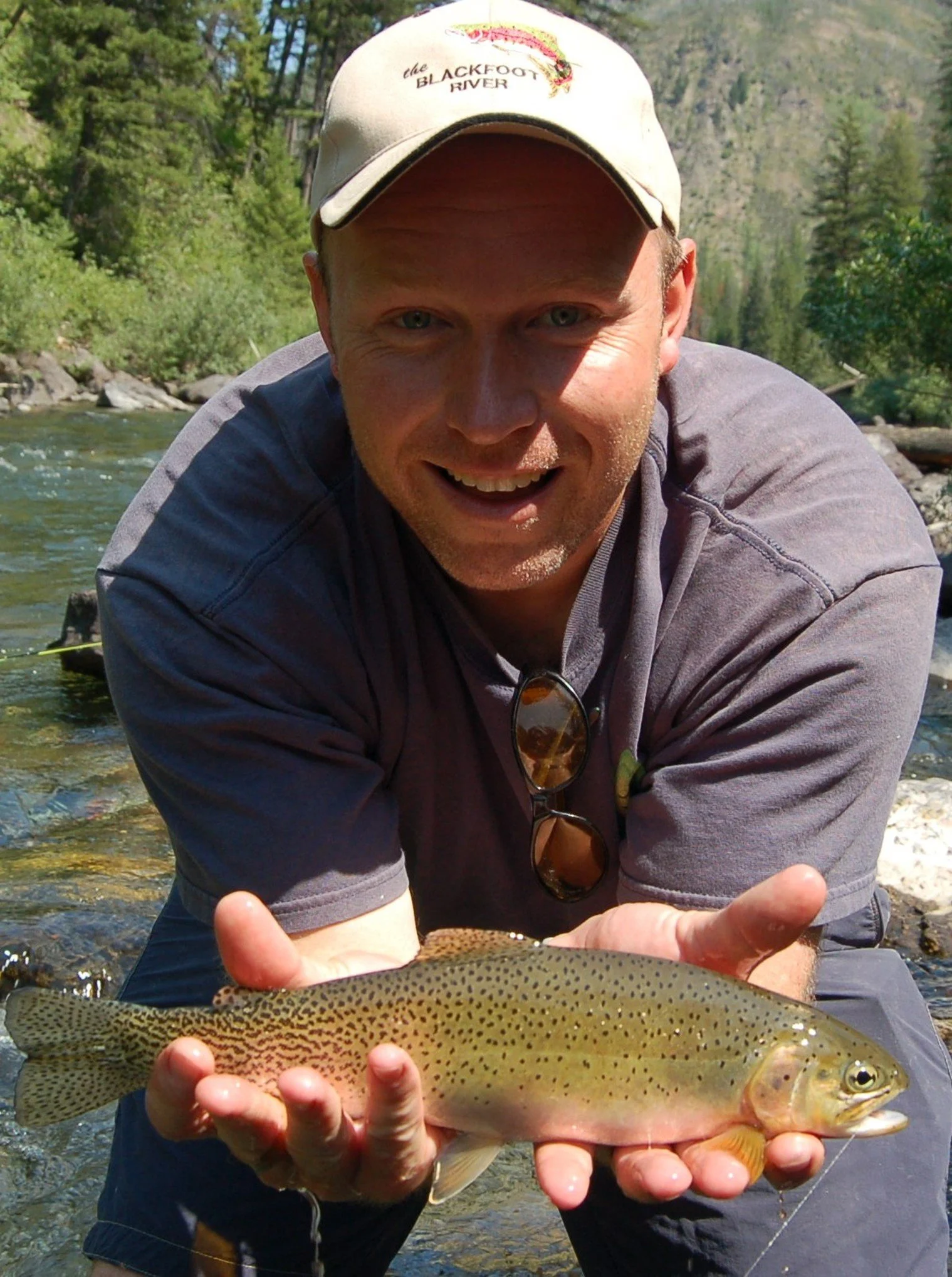
Matt Kondratieff is an Aquatic Research Scientist for Colorado Parks and Wildlife in Fort Collins, CO U.S.A. He completed his undergraduate work in California at U.C. Davis, received his Master’s degree from Colorado State University and he worked for three years as a fisheries biologist for Wyoming Game and Fish in Pinedale, WY before moving back to Colorado. Matt has 19 years of experience conducting the assessment and monitoring of fish populations and habitat in rivers across Colorado. He also studies the barrier potential of river structures to fish including everything from whitewater parks to conservation barriers designed to protect native fish to technical fishways to water diversions and dams.