Active Restoration of Epiphytic and Fungal Communities to Mimic Old-Growth Complexity in Wetlands, Streams, and Buffers
Steven Collins, PhD, PE, CERP
Black & Veatch
Orlando, FL
Francesca Lauterman
Black & Veatch
Tampa, FL
Authors: Steven Collins & Francesca Lauterman
Standard restoration protocols in the southeastern United States frequently succeed in reestablishing geomorphological stability and vascular plant dominance but fail to recover the "invisible" functional complexity of old-growth ecosystems. Restored riparian forests, cypress domes, and pine flatwoods may lack the critical biological layers necessary for nutrient cycling, hydrological buffering, and specialized wildlife habitat. This presentation synthesizes research on the active reintroduction of neglected taxonomic lineages, specifically non-vascular flora (mosses, liverworts), lichens, vascular epiphytes, and heart-rot fungi, that rarely recolonize restored sites due to dispersal limitations.
We identify key indicator species distinguishing intact old-growth from depauperate restored communities, including the nitrogen-fixing lichen Lobaria in hardwood hammocks, Cladonia lichens in xeric scrub, and the "tank" bromeliad Tillandsia utriculata in cypress swamps. We evaluate active restoration techniques for these taxa, such as "moss slurry" application to stream banks, manual attachment for orchids and bromeliads, and mechanical "veteranization" of trees to mimic heart-rot cavities for wildlife colonization.
Critically, we propose a framework for integrating these biological metrics into adaptive management plans and regulatory tools like the Stream Quantification Tool (SQT). By adapting parameters to score for late-successional microhabitats, practitioners can incentivize the restoration of functional complexity. The presentation concludes by discussing the necessity of ongoing, mechanical addition of coarse woody debris and the timing of epiphyte introduction (post-canopy closure) as standard adaptive maintenance practices. We present case studies demonstrating how a combination of contractor-lead and volunteer-driven "community science" initiatives can cost-effectively implement these labor-intensive techniques.
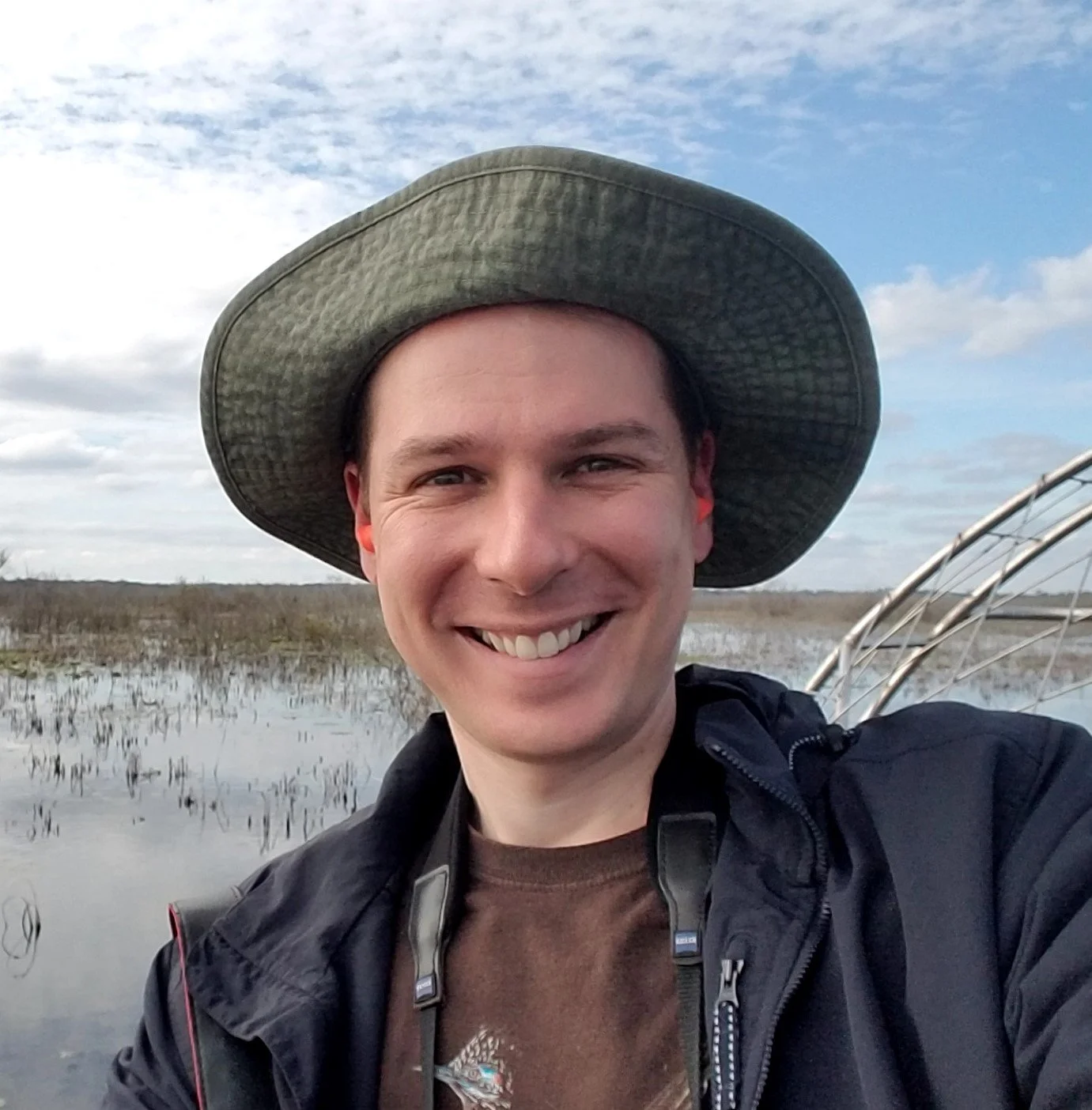
About Steven Collins, PhD, PE, CERP
Dr. Collins is an engineer and ecologist whose work centers on nature‑based solutions for restoring rivers, floodplains, wetlands, and coastal systems. His 20 years of experience span stream and wetland restoration, sediment and nutrient reduction strategies, watershed assessments, climate‑resilience planning, and stormwater BMPs that emphasize natural retention, infiltration, and landscape function. His granular knowledge of terrestrial and aquatic biological communities directly informs his restoration designs, so they support the species and ecological processes each system depends on. He serves as the technical advisor to a team of skilled engineers and scientists, and he values the opportunity to guide their work toward ecologically grounded designs.
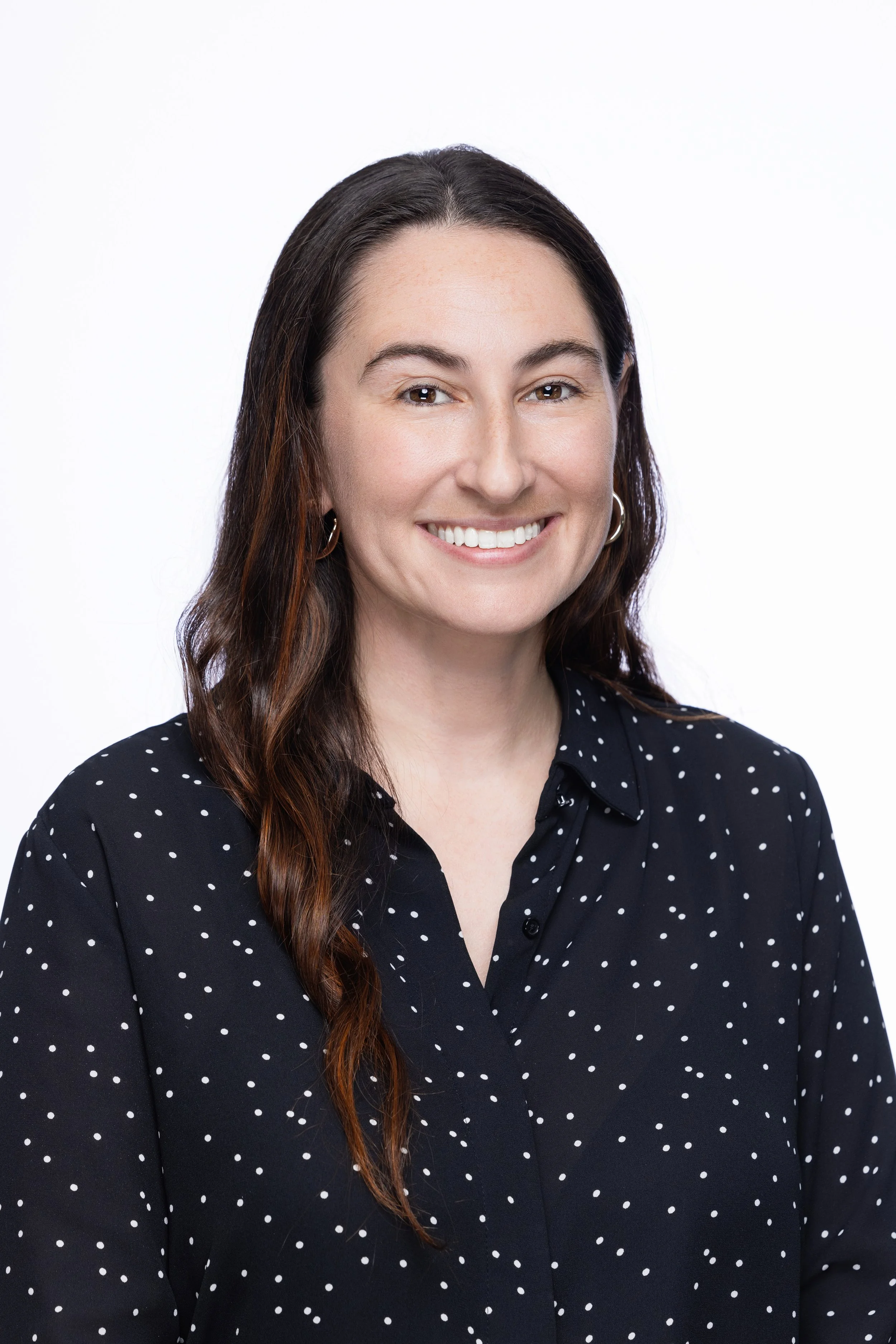
About Francesca Lauterman
Francesca is an ecosystem-level ecologist at Black & Veatch specializing in contemporary and paleo-limnology, and the conservation and restoration of streams, wetlands, and lakes across the country.