Let Nature In – Opportunities and Challenges Associated with Urban Stream Restoration
Abi Raetz, PE
Kurt Cooper, PE, LEED, AP
Sustainable Streams, LLC
Louisville, KY
Authors: Raetz, A.E., Cooper, K., Hawley, R.J., Korth, N.L., MacMannis, K.R.,
As American cities grow, urban streams often become channelized and degraded. Urban streams face numerous challenges, such as encroaching infrastructure, denuded habitat and heightened erosion due to flashy urban hydrology. Restoration of these streams can come with a host of design challenges, including extensive collaboration with stakeholders.
This underscores the importance of urban stream restoration and the positive impact it can have on the community: restored streams provide better habitats and promote biodiversity within the cityscape, while also offering recreational and educational appeal to the public. Buried logs, rock riffles, bioengineered bank armoring, management of invasive species, and replanting with native vegetation within the riparian corridor are all viable restoration options that provide both aesthetic results and robust stabilization of the once-degraded stream corridor. Upon completion, the restored stream/floodplain complex can provide recreational and educational opportunities for the community.
This presentation will convey insights from the design, modeling, and construction of multiple urban stream restoration projects, focusing on one mile of restoration through a heavily developed area that was completed in partnership with a local watershed group, Mill Creek Alliance on Sharon Creek. The presentation will address obstacles and opportunities such as collaborating with various partners, promoting biodiversity, protecting surrounding infrastructure, and providing recreational benefits to the community.
About Abi Raetz, PE
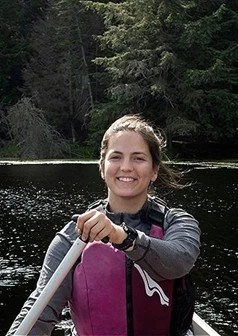
Abi Raetz garnered her passion for natural waterways by growing up hiking and swimming on the shores of the Great Lakes. Pursuing her interest in the outdoors led her to attend Michigan Technological University, where she received her B.S. in Environmental Engineering (2019) and M.S. in Geological Engineering (2022). Her interest in human-water interactions took her to the Peace Corps in 2019 to work as a Water Resource Volunteer in Vanuatu. There, she helped a local community increase their access to safe, clean drinking water. Her interest in promoting healthy and sustainable ecosystems inspires her holistic approach to stream and wetland restoration design. She has worked at Sustainable Streams, LLC since 2021.
About Kurt Cooper, PE, LEED AP
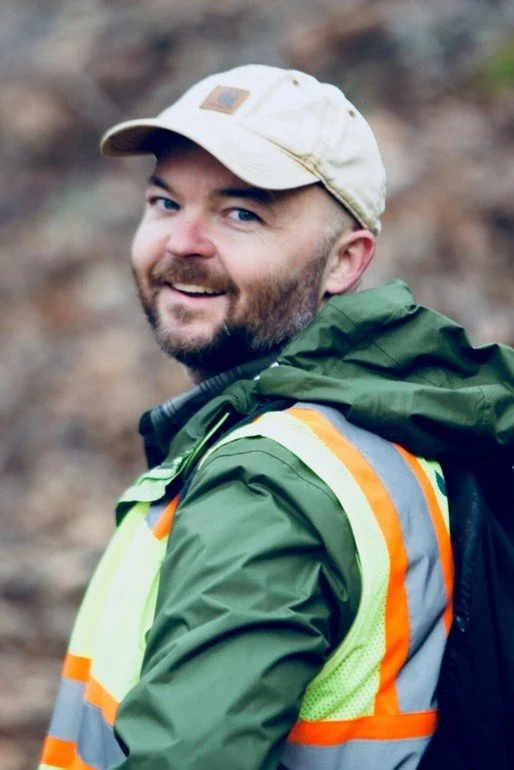
Kurt Cooper developed his interest in creeks and rivers early on, while swimming, fishing, and canoeing the creeks of South Central Kentucky. After gaining a B.S. in Civil Engineering from Western Kentucky University (2005) and spending more than 5 years working in industrial and commercial site development design, he decided to specialize in the part of his work that he was most passionate about: hydraulics and stream restoration. This led him to Colorado State University (M.S. Civil Engineering, 2012) where he developed an advanced, physically-based understanding of the principles of open channel hydraulics and sediment transport. He has incorporated CSU's multidisciplinary emphasis on stream function, the natural flow regime, and habitat complexity, along with his construction feasibility expertise, into a more holistic approach to stormwater management and stream restoration design. He has worked at Sustainable Streams, LLC since 2013.