Beyond Band-Aids: Designing a Creek That Heals Itself
Joe Lanni, PE
Ivan Valentic, PLA, ASLA
GPD Group
Cleveland, Ohio
Constructed in 2024 within the Lake Erie Basin, the West Creek Bank Stabilization project addressed long-standing geomorphic instability, infrastructure vulnerability, and ecological decline in a highly urbanized 10.5 square mile watershed. Decades of interstate expansion, commercial and landfill development, stormwater modifications, and piecemeal stabilization efforts had significantly altered West Creek’s natural form and function.
Previous attempts to fix the creek often transferred rather than resolved the underlying hydraulic and geomorphic stresses. Prior to restoration, the creek exhibited exposed bedrock, a confined valley, active bank erosion, channel incision, and multiple failing stabilization features, all of which contributed to persistent instability and elevated shear stresses.
The project implemented an integrated restoration design across roughly 6,500 linear feet of West Creek. A key component to the approach was a raised-grade design that reestablished a more functional longitudinal profile, expanded flood-prone areas, dissipated energy, and improved aquatic connectivity. The design incorporated multiple grade-control structures constructed from woody material, rock mixes, and engineered concrete blocks, more than 4,000 linear feet of bank stabilization, and the creation or expansion of 3.55 acres of floodplain. Natural channel design principles, including riffle to pool sequencing, brush layering, rock keys, living dikes, and various substrate mixes, were strategically used to support stability and habitat function. This approach also enabled the removal of a major geomorphic constraint, a deteriorating 420-foot concrete flume installed by the Ohio Department of Transportation during the construction of I-480 nearly five decades ago.
Nearly two years of post-construction monitoring confirmed reductions in flow velocity and shear stresses, along with notable ecological recovery. Aquatic activity has increased throughout the restored reach, including the recent observation of six new fish species, among them an Ohio-endangered darter, a species not seen since major urban alterations in the 1980s.
This presentation highlights key hydraulic and geomorphic design considerations, the strategies used to navigate complex site constraints, and lessons learned from prior stabilization attempts. It demonstrates how a hybrid approach combining natural processes with engineered structures can deliver durable stability, infrastructure protection, and meaningful ecological uplift within a high-energy urban stream system.
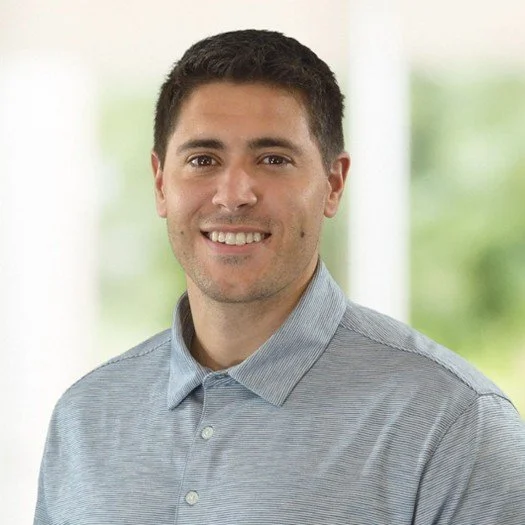
About Joe Lanni, PE
Mr. Lanni is a professional engineer and project manager at GPD Group with 12 years of experience in the water resources industry. With certifications in stream assessment and restoration design, Joe has a strong background in ecological restoration and bank stabilization. Over the years, he has led and designed projects involving both engineered and natural stream design, bank stabilization, dam removal and rehabilitation, and stormwater management initiatives. Joe’s combination of technical expertise, field-based insight, and project leadership has enabled him to successfully deliver numerous stream restoration and ecological enhancement projects throughout the state of Ohio.
LinkedIn Profile
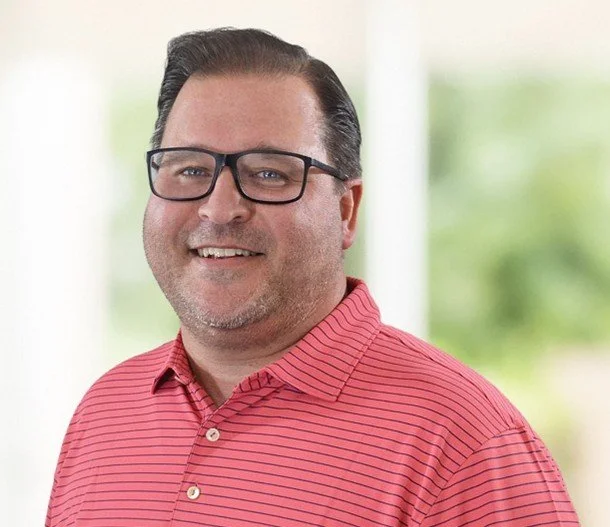
About Ivan Valentic, PLA, ASLA
Mr. Valentic is a Senior Project Manager at GPD Group and is a registered landscape architect with more than 26 years of experience specializing in stormwater practices and ecological restoration. He leads GPD’s Watershed Planning and Restoration Group, guiding the planning, design, and construction of numerous restoration projects across northeast Ohio. Throughout his career, he has built a strong skill set in stream and wetland restoration, including geomorphologic assessments, in‑stream structure design, and bioengineering approaches for bank stabilization. He also oversees the public engagement process during project planning and design by facilitating productive discussions and building group consensus while working with diverse public and private stakeholders.
LinkedIn Profile