Go with the Flow: A Look at Utilizing 2d Modeling in Urban Stream Restoration
Jessica Slagle, PE
Timmons Group
Richmond, VA
As urbanization continues to expand and impact natural waterways, more streams and ecosystems are in need of help. Degrading channels have a continued and growing importance due to their impacts on existing utilities, property loss, and downstream ecosystems, especially within the Chesapeake Bay watershed. Many urban stream restoration projects within the Chesapeake Bay watershed are driven by the TMDL with an emphasis on lasting stability of the stream channel and ecological uplift. Design projects include the application of natural channel design and engineering judgment when working in an urban environment, but how can we make sure we are providing the best solution possible for channel stability? Modeling is no revolutionary idea and has been utilized by stormwater engineers for decades, but with stream restoration being an emerging practice, how can we best apply modeling practices to inform our designs?
This presentation will focus on the benefits and challenges of implementing 2D modeling for urban stream restoration. Overall goals will be discussed as to how modeling can be applied as part of the design process and inform design decisions, as well as few case study projects. These design decisions include channel and floodplain sizing, utility conflicts, shear stress analysis, addressing areas of concern prior to construction, as well as modeling as a result of major storm events during construction to inform field revisions.
About Jessica Slagle, PE
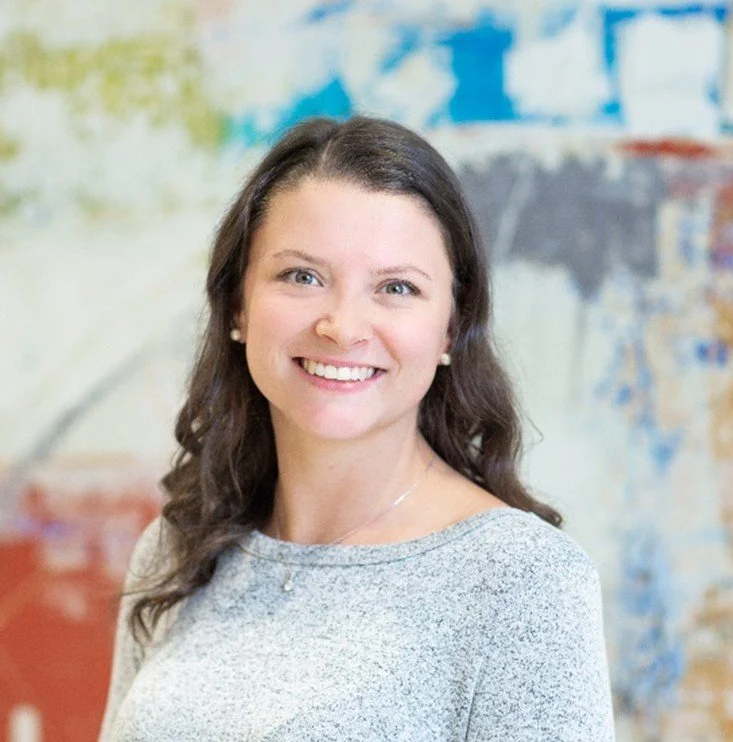
Jessica Slagle is a Stormwater Project Manager at Timmons Group in Richmond, Virginia and is a Virginia Tech Biological Systems Engineering Graduate. She has a passion for working outdoors and investigating a variety of stormwater processes and performing inspections. Jessica enjoys stream restoration analysis, design, and implementation, specifically for TMDL compliance. Stream restoration combines many of her interests, including problem solving, environmental rehabilitation, and creating ecological uplift within severely degraded systems.
LinkedIn Profile