Achieving Functional Uplift and Nutrient Load Reduction Through Stream Restoration
Kari Dappen, EIT, CBLP
Freese and Nichols, Inc.
Winston-Salem, NC
Nutrient pollution remains one of the most pervasive causes of impairment in streams and rivers across the United States. Excessive nitrogen and phosphorus loading drives eutrophication, harmful algal blooms, and low dissolved oxygen, while contributing to habitat loss. Although regulatory programs such as Total Maximum Daily Loads (TMDLs) and watershed‑scale nutrient reduction initiatives have advanced nutrient management, many stream systems remain impaired due to legacy nutrient loads, altered hydrology, and channel incision that confines flow and suppresses natural nutrient attenuation processes.
Improving water quality in these systems requires addressing the physical and ecological conditions that control nutrient fate and transport. Natural stream restoration provides a process‑based approach for reducing nutrient loading by restoring geomorphic and hydrologic functions that influence sediment and nutrient dynamics. Stabilization of eroding channels and reconnection of channel–floodplain systems reduce sediment‑associated nutrient export and decrease nutrient transport to downstream receiving waters. These changes shift system behavior away from transport-dominated conditions and toward conditions that support nutrient retention and transformation, resulting in improved water quality. Geomorphic and structural enhancements further support sustained nutrient attenuation while improving habitat conditions for endangered, threatened, and other protected aquatic species.
Using case studies from stream restoration projects across the southeastern United States, this presentation will demonstrate how targeted, process-based restoration strategies address the physical and ecological drivers of nutrient impairment. Examples will illustrate how improvements in geomorphic stability and system connectivity translate to measurable reductions in nitrogen and phosphorus loads and corresponding improvements in water quality. Attendees will gain practical insight into the role of stream restoration as a solution for reducing sediment-associated nutrient loading, supporting natural nutrient attenuation processes, and improving habitat conditions necessary for the conservation of endangered, threatened, and other protected aquatic species.
About Kari Dappen, EIT, CBLP
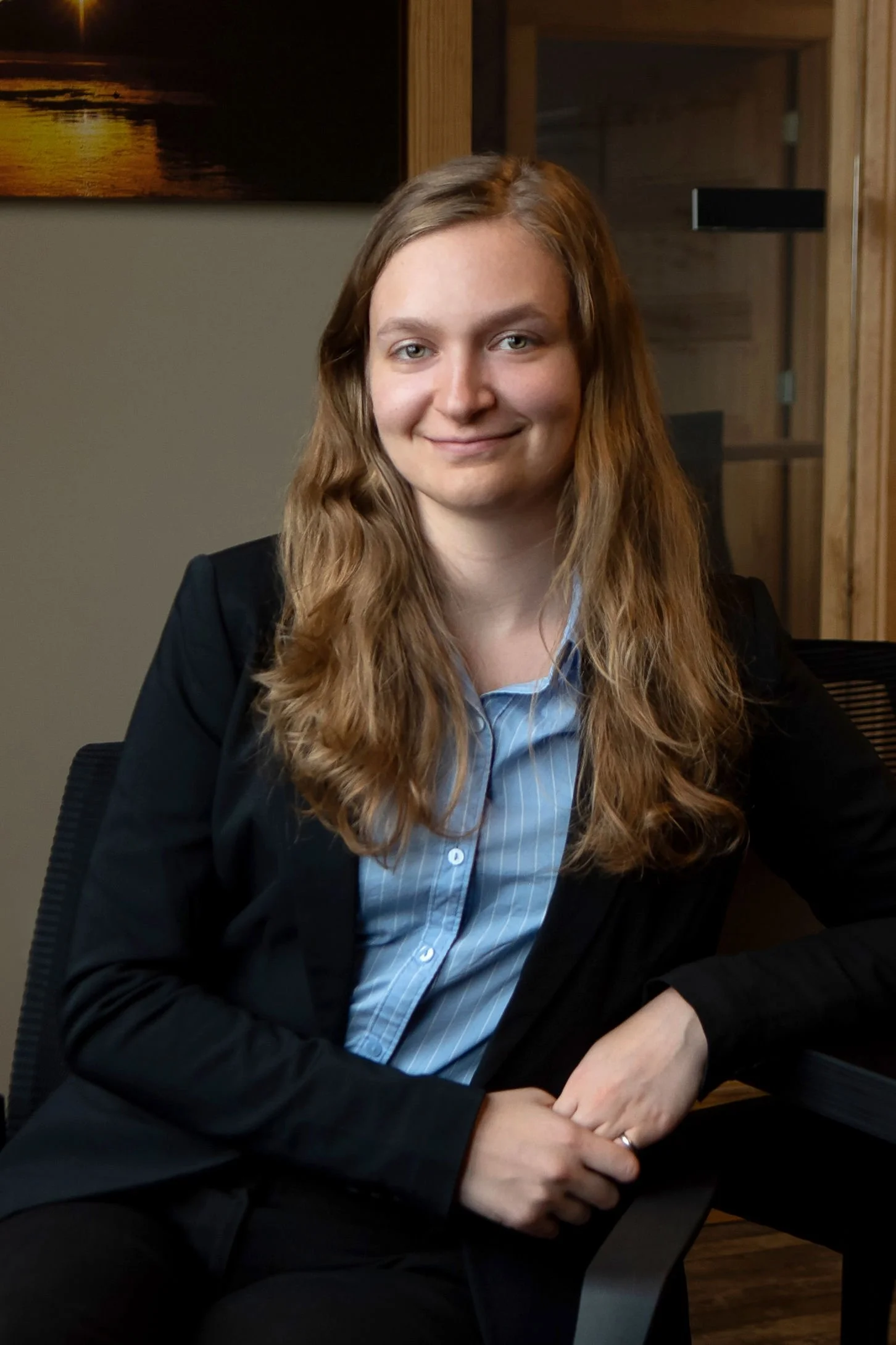
Kari Dappen is a Project Engineer for Freese and Nichols, Inc. in the firm’s Winston-Salem office. She is experienced in stream restoration, stormwater design, and geomorphic assessment. She develops natural channel design and nature-based solutions that balance stability, water quality improvement, and ecological function. Kari has completed environmental assessments, stormwater control measure designs, and multiple flood studies evaluating storm sewer networks and channel response.
She is a certified Chesapeake Bay Landscape Professional (CBLP) and holds a HAZWOPER certification. Throughout her career, Kari has centered her work on nutrient reduction, water quality improvement, and the restoration of resilient, healthy stream systems.