Forecasting Mitigation in a Growing City: Targeting Stream & Wetland Credits for Future Development in Charlotte, North Carolina
Jason Claudio-Diaz, PE, CFM
Kimley-Horn
Charlotte, NC
Erin Shanaberger, PWS
City of Charlotte Storm Water Services
Charlotte, NC
Authors: Claudio-Diaz, Jason, P.E., CFM, Shanaberger, Erin, PWS
Charlotte, North Carolina, is the 15th largest municipality in the United States, and it is still growing rapidly. To combat impacts from historical agricultural practices and rapid urbanization, Charlotte is improving surface water quality by utilizing modern development techniques, retrofitting, and constructing stormwater control measures, and restoring/enhancing streams and wetlands. However, traditional aquatic ecosystem restoration projects are larger scale, require minimal human disturbance, and extensive vegetative buffers. In an urban environment, these things are often difficult to achieve while the need for restoration continues to grow.
The city has been constructing mitigation sites since 2000 and executed its Umbrella Mitigation Banking Instrument (UMBI) in 2004. Since the UMBI was executed, the city has banked nearly 100,000 stream credits and 15 wetland credits in three 8-digit hydrologic units. There are roughly 25,000 LF of stream and wetland projects in development; however, it is unclear where most of those credits will be needed such that mitigation credit development can be better targeted geographically.
The City of Charlotte is working with Kimley-Horn to assist with updating its current mitigation credit forecasting tool. Kimley-Horn will be developing a tool to look at future mitigation credit demand using publicly available planning and growth documents from the City of Charlotte and Mecklenburg County to estimate and forecast where growth will occur within the Mecklenburg County limits, to allow the city to plan future potential mitigation projects.
The tool may be used to approximate what basin development impacts are likely to occur in and will generate the estimated mitigation needs. The outcomes from the tool will then be used in conjunction with the city’s Stream Restoration Ranking Protocol (SRRP) to identify future mitigation sites. This presentation will discuss the need for the tool, its development, and potential applicability in the project identification and planning process.

About Jason Claudio-Diaz, PE, CFM
About Erin Shanaberger, PWS
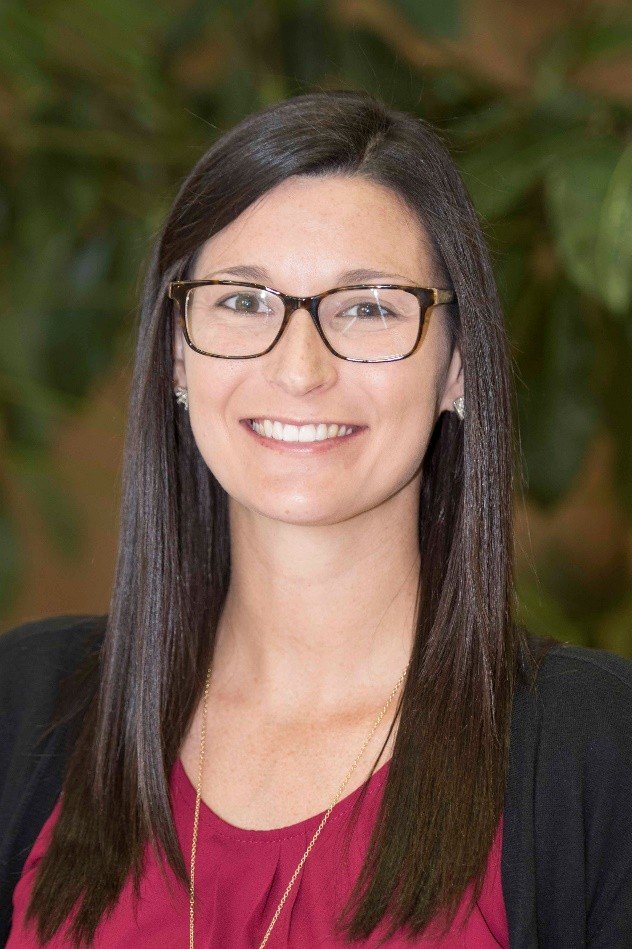
Erin has served as the Watershed Planning and Project Implementation Supervisor for the City of Charlotte for over 6 years. Her group develops watershed plans, manages Charlotte’s Umbrella Stream and Wetland Mitigation Bank, and is responsible for implementation of all types of surface water quality improvement projects. Erin has an undergraduate degree in Environmental Science from Appalachian State University, and a Master of Science in Earth Sciences from UNC Charlotte. Erin has been with the City of Charlotte for 11 years and is a Professional Wetland Scientist (PWS).