CAD Corridor Modeling for a River with Highly Variable Dimensions
Emily Burgess, PE
AECOM
Germantown, MD
AECOM is part of a team of engineering companies working to remediate a large river in Massachusetts for PCB contamination. Due to the nature of the permit conditions, various segments of the riverbank along a 4.6-mile reach were identified for remediation and stabilization, but the segments of the river that were not identified for remediation were intended to remain undisturbed to the extent practicable. Along with bank stabilization, the design team was tasked with establishing a stable bed profile to supplement a proposed sediment cap in the stream bed. This required utilizing a grading model that could apply riffle and pool cross sections with widths and depths that often vary within a single feature. To complete this grading design, AECOM utilized AutoCAD Corridor modeling tools. Corridors are useful for stream grading design but have some drawbacks and limitations that must be accounted for during the modelling process, and designs with highly variable cross sections add complexity to corridor models. During this presentation, I will discuss the process for setting up and refining a grading model based on Natural Channel Design principles that attempts to compromise between ideal geomorphic geometry and existing conditions.
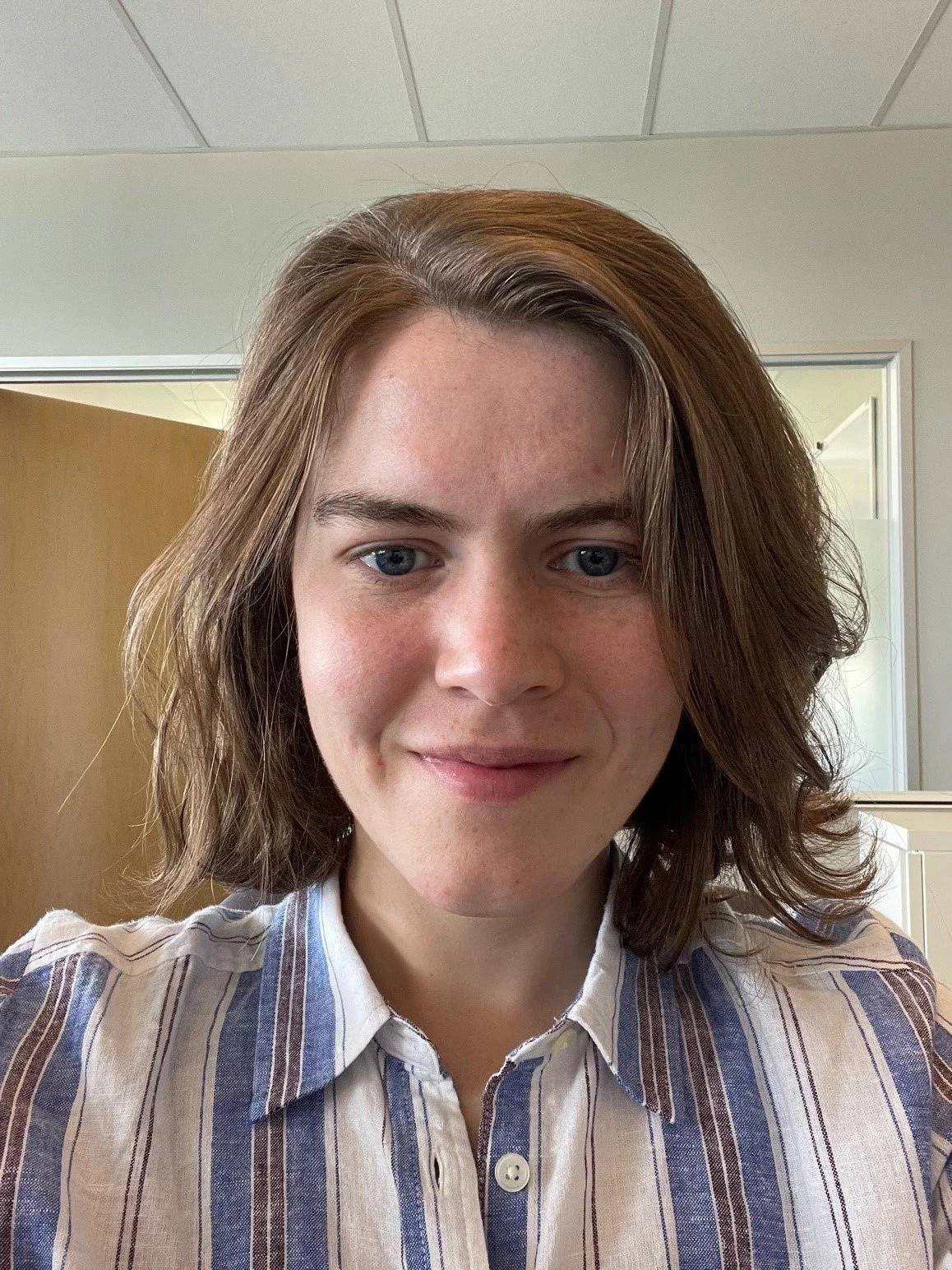
About Emily Burgess, PE
Emily Burgess is a Water Resources Engineer with 8 years of experience in engineering consulting. She has worked on designs in stream restoration, stormwater management, and green infrastructure and has a long list of outdoor hobbies, including birding, mountain biking, and backpacking!