Evaluating Restoration Project Success in Response to Major Storm Events
Megan Long
Black & Veatch
Tampa, FL
Authors: Megan Long, John Kiefer
Natural stream systems formed under and adapted to a wide range of hydrologic conditions are resilient to pulse disturbances such as hurricanes or other major storm events. Restored systems are designed to mimic nature’s resilience but may have additional vulnerabilities before the system matures or due to urban influences upstream. Stable alluvial stream systems are dynamic – carving, moving, and depositing sediments in the channel and floodplain in equilibrium. Understanding when conditions indicate disequilibrium in a restoration project can guide development of project warranties and adaptive management plans, improve communication with regulators, and ensure that restoration projects are judged by and maintained to ecologically realistic performance standards rather than assumptions of static stability.
Major storm events increasingly test the resilience of both natural and restored stream and floodplain systems, raising questions about what constitutes an expected geomorphic response from which the system can naturally recover, versus indicators of project failure or functionally damaging impacts. This presentation includes post‑storm assessments from Florida stream restoration and natural baseline sites that investigated deposition of high sediment loads within channels and floodplains, impacts to wetland vegetation, formation of floodplain features such as oxbows and chutes, bend migration and other changes to bankfull channel geometry, and comparisons to regional datasets. These case studies illustrate practical, defensible approaches for distinguishing impacts within the range of natural disturbance from conditions requiring intervention.
About Megan Long
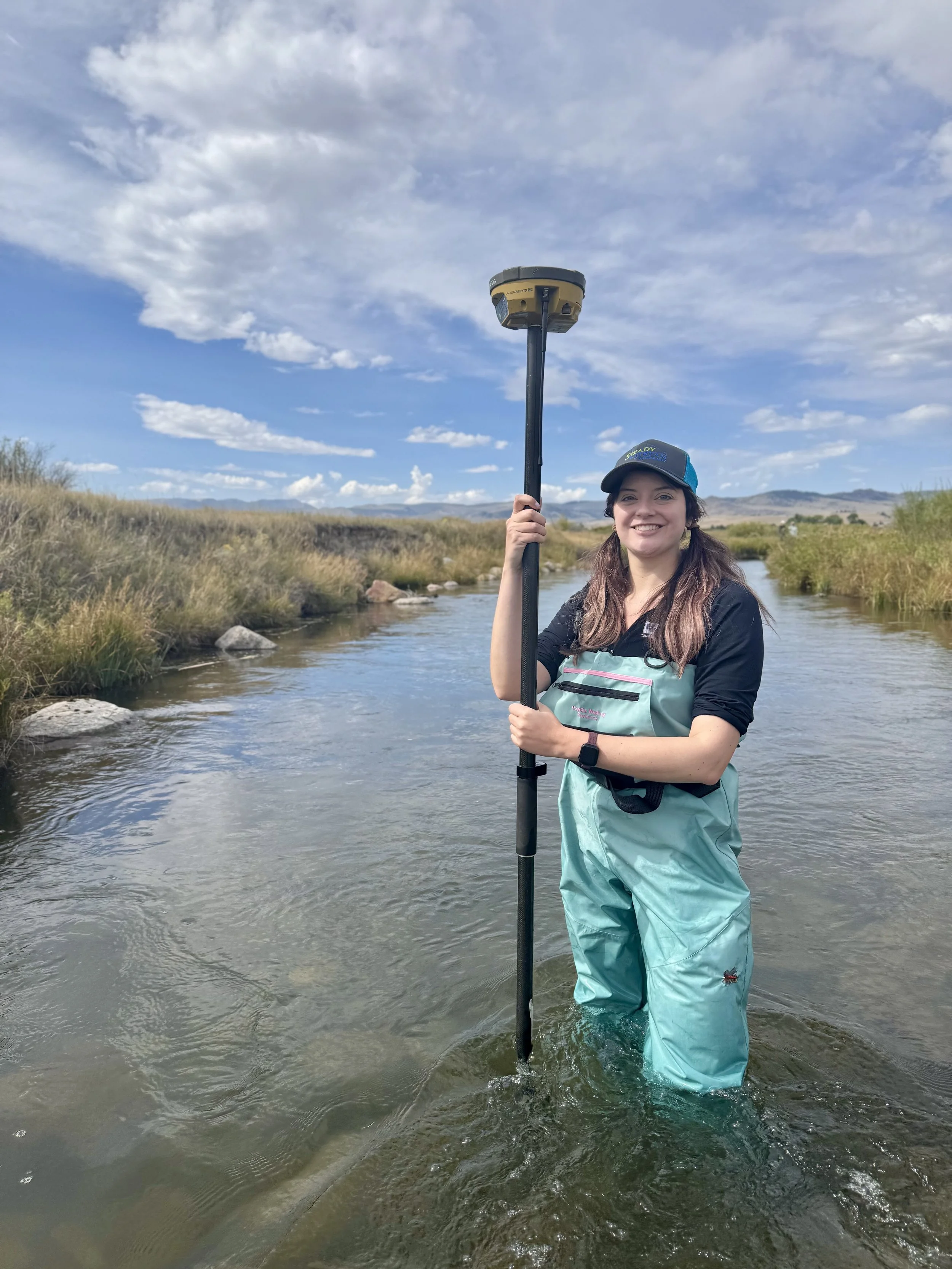
Megan is an ecosystem restoration engineer and designer at Black & Veatch with a background in water quality, water resources and coastal engineering, and water sensitive urban design. She currently focuses on stream and wetland restoration projects in the urban core and uses her diverse technical background and research experience to integrate social, recreational, water quality, and sustainability benefits into ecological restoration and bank stabilization projects.