The Jabez Tributary 3 Stream Restoration: Post-Restoration Monitoring Results of a Restored Coldwater Stream-Wetland Complex on the Atlantic Coastal Plain
Amr Keshta, PhD
Camille Calure
Underwood & Associates
Millersville, MD
Jabez Branch, located within Maryland’s Severn Run watershed, is uniquely the only Coastal Plain stream in the state known to have historically supported a native Brook Trout population. Rapid watershed development and construction of two major highways near the stream caused severe functional and ecological degradation driven by erosive stormwater runoff, excessive sedimentation, and thermal pollution. These impairments have long contributed to the decline of the Brook Trout population and negative effects downstream. In spring of 2024, the most degraded tributary of Jabez Branch was restored using the Regenerative Stream Conveyance (RSC) method. Primary restoration goals included halting erosive energies and reducing downstream nutrient pollution by constructing riffles and pools, raising the incised streambed to reconnect it with the floodplain, and improving both in-stream and riparian variability and habitat. Some of the many monitoring efforts to characterize the condition of the restored stream include discrete water quality sampling and vegetation surveys. The following results were from the first year of data analysis, with water quality data being averaged across all seasons. Dissolved oxygen levels, on average, exceeded a 5 mg/L success criterion within the restored active channel, with downstream concentrations starting to approach confluence levels. One‑way ANOVA revealed significant differences in dissolved oxygen among stream locations (F = 30.22, p < 0.0001), and Tukey’s HSD indicated that dissolved oxygen at the downstream end was statistically similar to the confluence and significantly higher than upstream sites. Water temperature exhibited strong seasonal variation (5–30 °C) but no significant spatial differences (F = 0.85, p = 0.51) among stream locations. Average water temperatures within the restoration reach were at similar levels as the average confluence and main branch temperatures. Vegetation assessments documented a marked shift toward native dominance following restoration planting efforts. Native plant occurrences increased from 78.2% pre‑restoration to 90.3% post‑restoration, while invasive plant occurrences declined from 19.7% to 4.0%. Although maturation over time and adaptive management efforts may be needed to improve certain spatial and seasonal success metrics, these monitoring findings have demonstrated that process‑based restoration at Jabez Branch has generally met key ecological and hydrologic success criteria.
About Amr Keshta, PhD
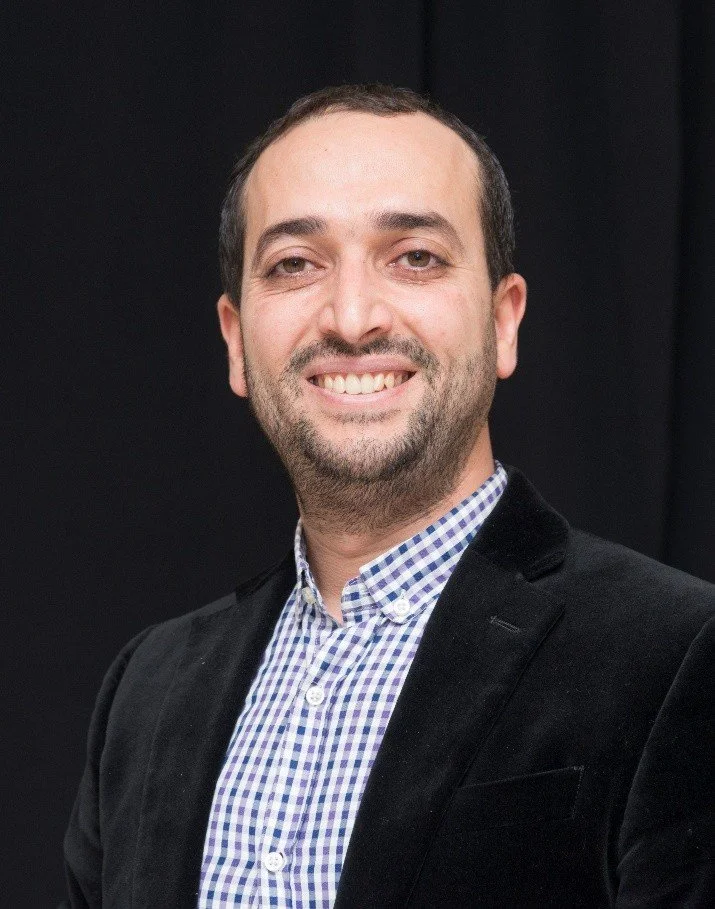
Dr. Amr Keshta is the Chief Environmental Scientist with Underwood & Associates and an adjunct associate professor at American University teaching wetland ecology, stream restoration and GIS. He has also worked as a research ecologist with the Smithsonian Environmental Research Center. Dr. Keshta is a Professional GIS (GISP) analyst since 2015 and has over a decade of experience in wetland science including wetland vegetation and soils, wetland ecology, biogeochemistry, restoration, delineation, and hydrology. Furthermore, he is passionate about data, statistical analysis, and teaching science software skills. Dr. Keshta has about two decades of experience in data analysis (R, SAS, SQL) with strong statistical background, in addition to having strong publication records in peer-reviewed journals (Google Scholar - Amr E. Keshta, PhD, GISP). His primary goals at Underwood & Associates are to assist with monitoring data organization and analysis, compiling findings and writing monitoring reports, assisting with literature reviews and narrative writing for grant applications, and networking with other science professionals to expand the organization’s opportunities for collaboration.
About Camille Calure
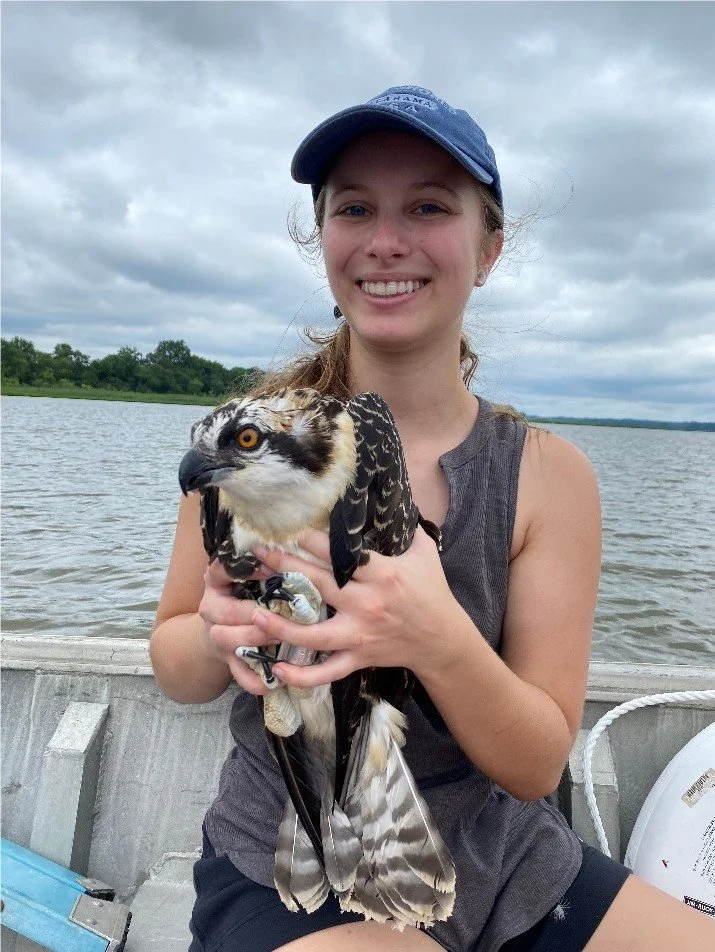
Camille Calure is the restoration science Research Assistant at Underwood & Associates, and has experience in maintaining comprehensive monitoring programs for Regenerative Stream Channel (RSC) and Dynamic Living Shoreline (DLS) restorations, multifaceted field data collection, and science education and outreach. Following the Regenerative Design philosophy, she engages in scientific inquiry based around questions of ecosystem function and health as a complex interplay of many factors. Camille monitors aspects of restorations such as weather, hydrology, water quality, vegetation, and fauna to provide insight into the environmental impacts of stream restorations and living shoreline projects. Her competencies include comprehensive understanding of the Stream Functions Pyramid Framework, certifications for Maryland Biological Stream Survey (MBSS) benthic sampling and laboratory subsampling and processing protocols, wetland delineation skills, proficiency with monitoring equipment and safe fieldwork protocols, and engaging audiences with science. Notably, she has mentored five undergraduate interns across two summer programs as they completed scientific research projects from start to finish. Camille also enjoys educating people of all ages about the importance of wetland ecosystems whenever the opportunity arises, and believes the best way to get people to care for the environment is to spark their curiosity and passion for the intricate systems that sustain us.