Case Study: In-Situ Water Quality Monitoring at a Dam Removal Project
Brayden Schiller, EIT, CFM
AECOM
Roanoke, VA
Water quality monitoring in stream restoration and dam removal projects can be an essential tool to evaluate project targets for sediment management. Monitoring data allows for the evaluation of project performance and helps to mitigate against unintended outcomes. Continuous monitoring provides high-frequency data that captures short-duration events and rapid fluctuations that grab sampling frequently misses. This is especially important during construction and storm-driven disturbances, when water quality conditions can change dramatically over minutes to hours. Continuous sensors also improve statistical power by generating large datasets that reveal patterns, trends, and variability rather than isolated snapshots.
Dam removals are increasingly implemented to restore longitudinal connectivity and natural sediment transport. Often, sediment management is a challenge in dam removal design and implementation. In this presentation AECOM will present the outcomes of using a continuously deployed in-situ water quality multiparameter sonde sensor to evaluate patterns in key water quality parameters including turbidity, dissolved oxygen, temperature, and stage downstream of the College Lake Dam removal project. The sensor captured data prior to-, during-, and post-construction, providing data across the full project lifecycle to inform the design, construction, and monitoring. The presentation will include lessons learned from the implementation on this project, as well as an evaluation of data trends, unexpected correlations, comparisons with other data collection methodologies, and recommendations for water quality monitoring approaches.
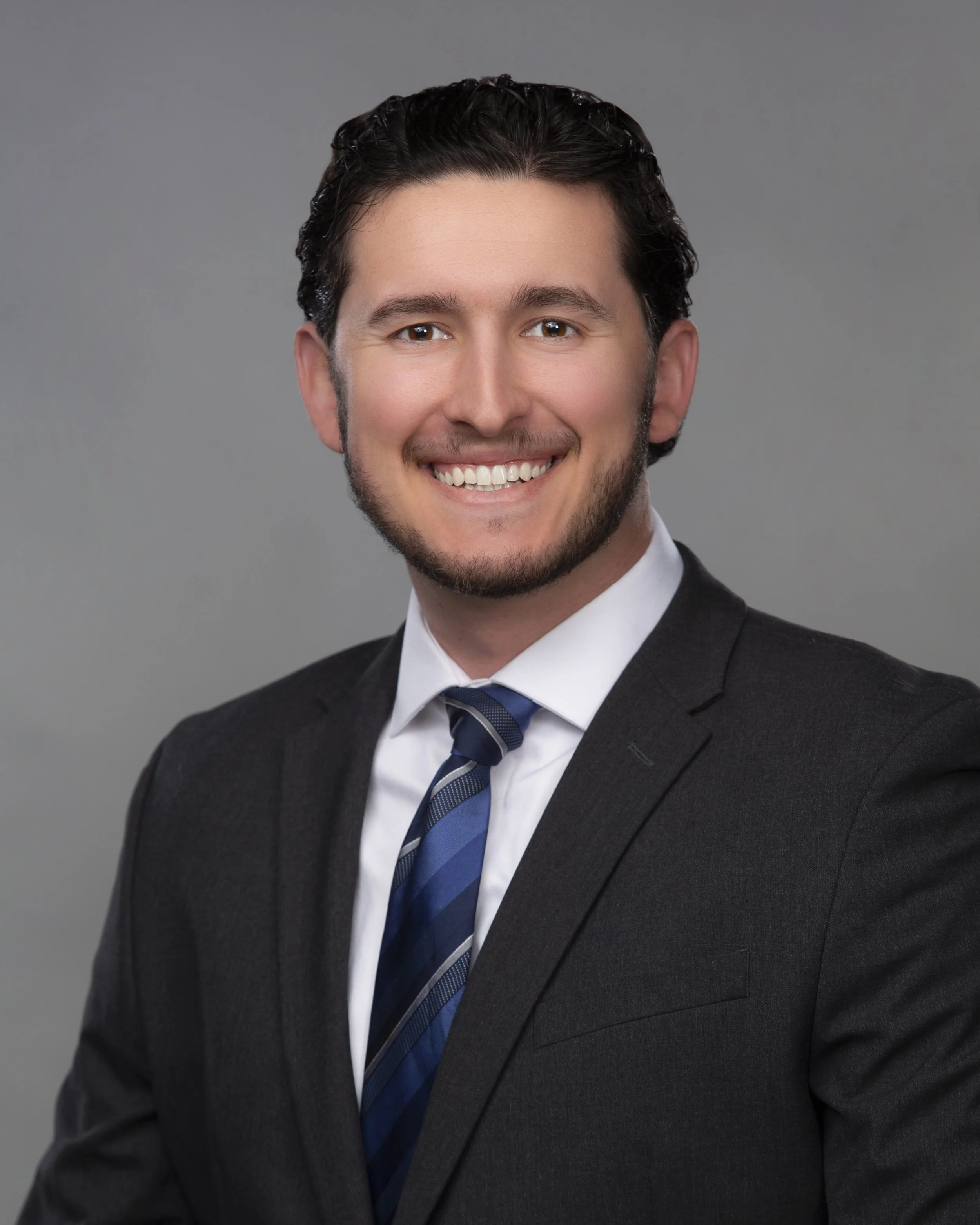
About Brayden Schiller, EIT, CFM
Brayden Schiller earned both his Bachelor’s and Master’s degrees in Civil Engineering from Virginia Tech, where he focused on water resources engineering and river mechanics. His graduate research examined fine sediment transport and its interaction with gravel beds.
Following graduate school, Brayden joined AECOM as a Water Resources Engineer focusing on hydraulic modeling supporting FEMA floodplain mapping projects, where he worked on hydrologic and hydraulic models used to inform flood risk management. He has recently transitioned into the stream restoration field, looking to apply his background to projects aimed at improving watershed health and stream stability.