Investing in Better Restoration: Advancing Stream Science Through Mitigation Partnerships
Leslie J. White, PhD
Vital Habitats Foundation
Lexington, KY
Emma Bell
Vital Habitats Foundation
Lexington, KY
Authors: Leslie J. White, PhD, Emma Bell*, Natalie Mountjoy, PhD
Compensatory mitigation has restored thousands of stream miles across the United States, yet opportunities to use these projects as platforms for advancing restoration science remain underutilized. While mitigation projects generate valuable ecological data and create living laboratories for long term study, research funding and academic partnerships are often disconnected from implementation. The Vital Habitats Foundation was established to help bridge this gap by supporting scientific research, long term monitoring, and collaborative partnerships that improve the practice of ecological restoration while enhancing the long-term value of mitigation projects.
This presentation introduces the Vital Habitats Foundation, a nonprofit organization dedicated to advancing ecological restoration through research, education, and stewardship. We will discuss why the Foundation was created, how it partners with mitigation sponsors, consultants, and universities, and how targeted investments in applied research can improve restoration outcomes while providing educational opportunities for the next generation of restoration professionals. Ongoing initiatives include long term ecological monitoring, biodiversity assessments, graduate research support, and collaborative projects designed to answer questions directly relevant to restoration practitioners and regulators.
To illustrate this model in practice, we will highlight one of the Foundation's current graduate research projects. Supported through a Vital Habitats Foundation research grant, a master's student is investigating how additional indicators of ecological function can enhance stream assessment and restoration planning. The project evaluates watershed conditions, channel processes, habitat characteristics, biological communities, and other measures of ecosystem function to develop a more comprehensive understanding of restoration potential beyond traditional site assessment methods. By integrating these ecological indicators, the research seeks to provide new insights that can strengthen site selection, restoration planning, and post construction monitoring while advancing our understanding of stream ecosystem recovery.
This case study demonstrates how partnerships among the mitigation industry, nonprofit organizations, and universities can generate practical scientific knowledge while providing meaningful training opportunities for future restoration professionals. By reinvesting in research, mitigation projects can produce benefits that extend well beyond permit compliance, creating a cycle of learning that continuously improves restoration practice.

About Leslie J. White, PhD
Leslie is a broadly trained ecologist. She has a B.S. in wildlife biology, M.S. in ecology and evolutionary biology, and a Ph.D. in entomology. She recently completed a post-doctoral fellowship investigating climate change impacts on the cold-tolerance physiology of Alaskan wolf spiders. Her fieldwork ranges from studying carnivorous plants in wetland bogs of the Florida panhandle to conducting independent studies at Arctic and Antarctic field stations. She has successfully procured grant funding for her education and research projects and has been published numerous times. Leslie’s responsibilities at Beaver Creek include collecting and preparing field data, conducting biologic and vegetative surveys, macroinvertebrate identification, and overseeing invasive vegetative species control protocols.
About Emma Bell
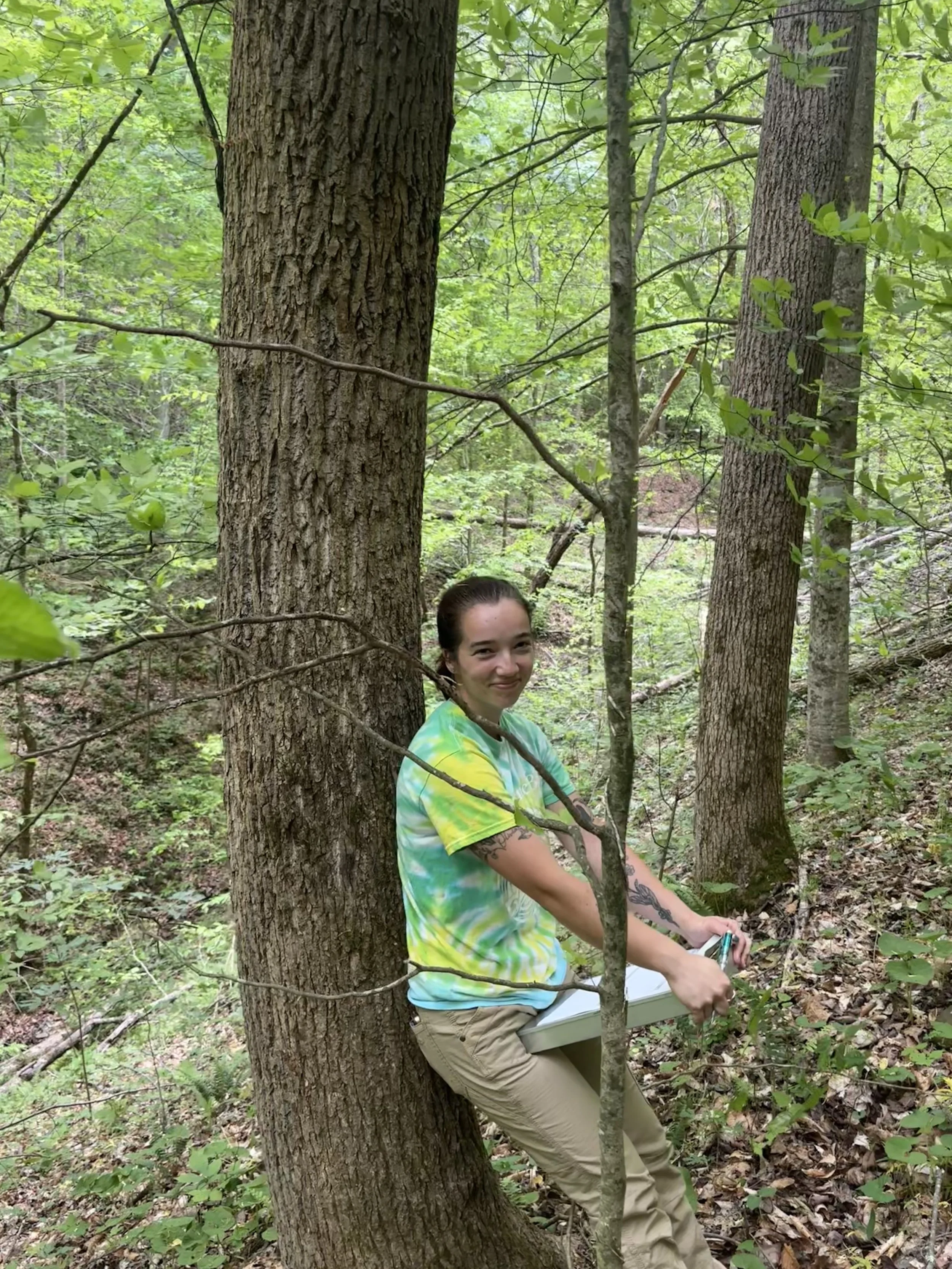
Emma Bell is a Master of Science student in the Department of Biological Sciences at Western Kentucky University, where she conducts research under the direction of Dr. Natalie Mountjoy. Her research focuses on evaluating stream quality and ecological function in headwater watersheds. Through this work, she examines how multiple ecological indicators can complement regulatory stream assessment frameworks to improve restoration planning and long-term monitoring of stream mitigation projects. Emma is passionate about freshwater ecology, stream restoration, and applying science to support the conservation and management of aquatic ecosystems.