Stream Synergy: Restoring Streams at Rock Quarries
Larry Wade, EIT
AECOM
Roanoke, VA
Expansion of rock quarries and mining operations can present significant environmental hurdles; however, civil engineering projects depend on the production of raw materials such as stone, riprap and boulders. Many stream restoration structures depend on these materials to restore debilitated watersheds, especially in urban environments where reusing natural on-site material is not available or feasible. Stream relocation and restoration is a welcomed solution at quarries seeking to expand their operations and footprint. These projects allow stream restoration practitioners to promote long term availability of materials for stream restoration projects while restoring stream, wetland, and riparian systems in the process.
Stream restoration design at rock quarries is not without its challenges. From the planning phase, project designers must consider subsurface materials, groundwater conditions, shallow rock, future mining plans, and regulatory, environmental, health and safety requirements. To address these challenges, we’ve found solutions to these challenges by focusing on designing channels that work with the site rather than against it. Early coordination with scientists, operators, engineers, and regulatory have proven essential, allowing us to integrate channel alignment, structures, floodplain restoration, permanent stormwater management and erosion controls, and riparian buffers into the larger mining access, operations, and plan requirements. Quarry settings also offer real project-specific benefits. High‑quality rock is locally available for riffles, grade controls, and bank armoring, reducing costs and improving construction outcomes. Restoring streams at quarries provide opportunities to build stable, diverse channels in areas that will ultimately transition to long‑term conservation post‑mining land uses. NCD-based stream restorations at quarry sites demonstrate that ecological restoration and industry can work in tandem to achieve common goals when design is flexible, collaborative, and grounded in geomorphic principles.
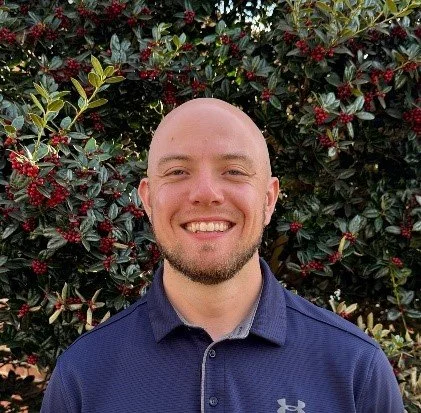
About Larry Wade, EIT
About: Larry Wade is a Water Resources Engineer with 8 years of experience across the environmental, engineering, and construction industries. His professional experience includes stream and wetland restoration design, construction oversight and post-construction monitoring, environmental due diligence, and stormwater management. Larry is part of a stream restoration and stormwater management design team at AECOM who provides technical solutions at sites throughout the east.