Restoring Habitat Connectivity: Retrofitting Culverts to Rapidly Improve Aquatic Organism Passage
Shane Scott
SSA Environnemental
Vancouver, WA
Culverts, bridges, and similar in-water structures rank second only to dams in obstructing fish and other aquatic organisms. These structures significantly impact habitat connectivity for numerous species by restricting access to crucial spawning and rearing habitats. While significant efforts are devoted to removing or replacing these barriers to enhance Aquatic Organism Passage (AOP), such projects are resource-intensive and often take years to complete. Consequently, given the vast number of barriers, many cannot be addressed through replacement in a timely manner, if at all.
High water velocities and shallow water depths within these structures create hydraulic conditions that severely limit passage. This presentation provides an insightful exploration of low-cost, rapid solutions for retrofitting culverts to improve AOP where removal or replacement is not feasible. We will detail a spectrum of corrective actions, specifically the installation of flexible weirs and floating ramps designed to enhance access and passage through existing infrastructure. Special attention will be given to recent advances in materials that allow for flexible, durable baffles; unlike traditional rigid structures which reduce hydraulic capacity and trap debris, these innovative solutions improve AOP while passing debris at high flows with minimal effect on culvert capacity.
To validate these methods, we will demonstrate how Computational Fluid Dynamics modeling is used to properly size, configure, and quantitatively describe the AOP benefits of these modifications. Finally, real-world case studies will be presented to demonstrate how these innovations have successfully improved AOP for a variety of species, including projects where modifications effectively facilitated the reintroduction of extirpated fish populations to historic habitats.
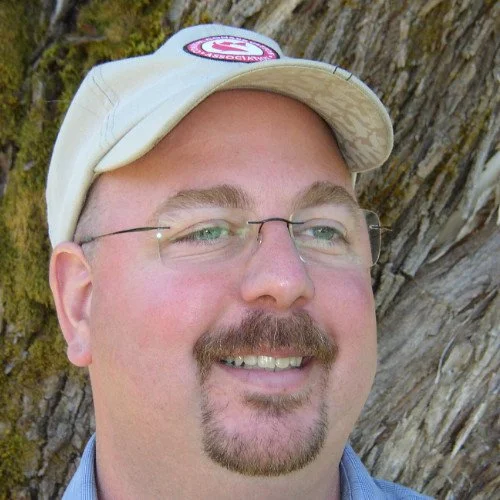
About Shane Scott
Shane Scott is a senior biologist and policy analyst specializing in fish and wildlife protection for hydropower, irrigation, utility, and water-resource projects. He works with multidisciplinary teams to develop practical, cost-effective solutions that reduce environmental impacts while supporting infrastructure and operational needs.
Scott pioneered the development of the Flexi Baffle in North America, an innovative flexible culvert baffle designed to improve Aquatic Organism Passage (AOP). The technology regulates flow, creates step pools that enhance fish passage, and allows debris to pass during high flows, reducing maintenance requirements while preserving hydraulic capacity.
In addition to his work on fish passage, Scott assists manufacturers in the development and commercialization of technologies for debris management, dam safety, public safety, water storage, and aquatic habitat improvement. His expertise includes natural resource assessment, fish and wildlife mitigation, business development, client relations, and public outreach.